

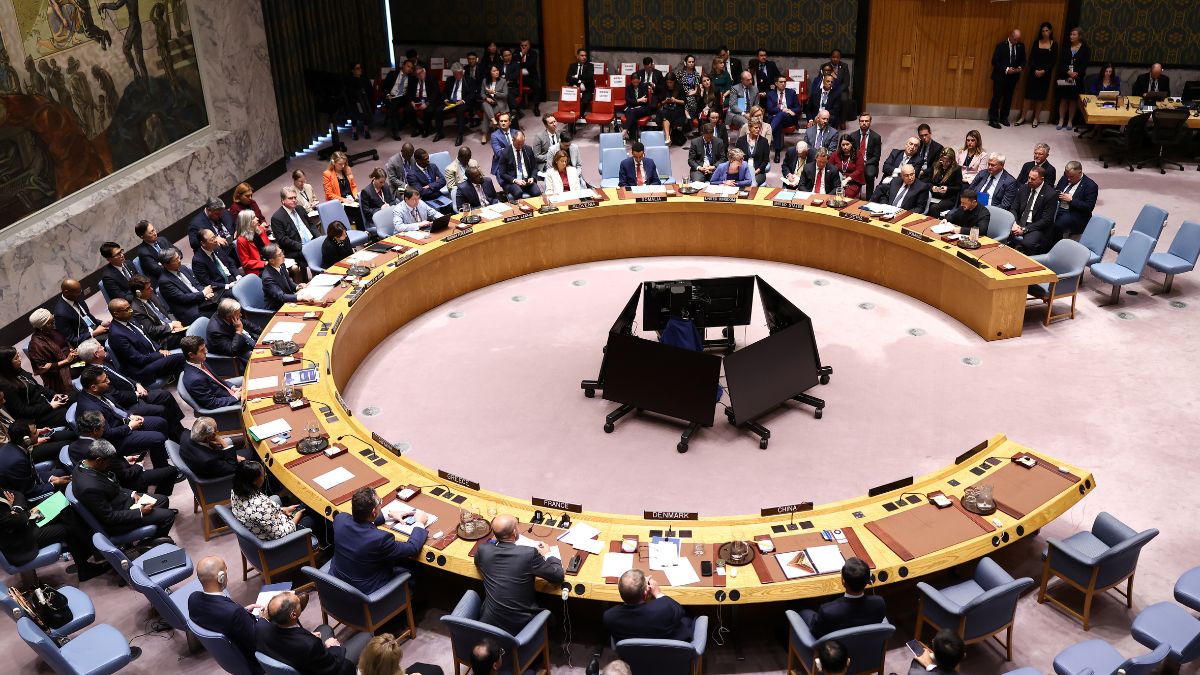
The debate over reforming the United Nations Security Council (UNSC) is reignited by India’s strong bid for a permanent seat. The council’s current composition, with five permanent members (China, France, Russia, UK, US) and ten rotating members, reflects power structures from 1945, a stark contrast to today’s global dynamics. India contends that this outdated framework hinders effective international governance.
India’s case for permanent membership is compelling. Its status as the most populous country, a rapidly growing economy, and a significant contributor to international peacekeeping operations makes it a logical addition. Crucially, India is seen by many in the Global South as a champion for their interests, pushing for equitable global systems, climate action, and the modernization of international bodies. Bringing India onto the Security Council would better represent the diverse voices and priorities of the developing world.
International backing for India’s ambition is substantial. Support has been expressed by key permanent members, including the United States, which has reiterated its commitment through multiple administrations. France has also declared strong support for India’s permanent inclusion. The United Kingdom’s Prime Minister recently voiced his endorsement during discussions with Indian leadership. Russia has long been a proponent, acknowledging the altered global power balance and advocating for India and Brazil’s permanent status. Furthermore, nations like Portugal, Kuwait, Bhutan, Mauritius, Brazil, Germany, Japan, and the African Union have publicly supported India’s quest for a permanent seat, underscoring its growing diplomatic influence.