

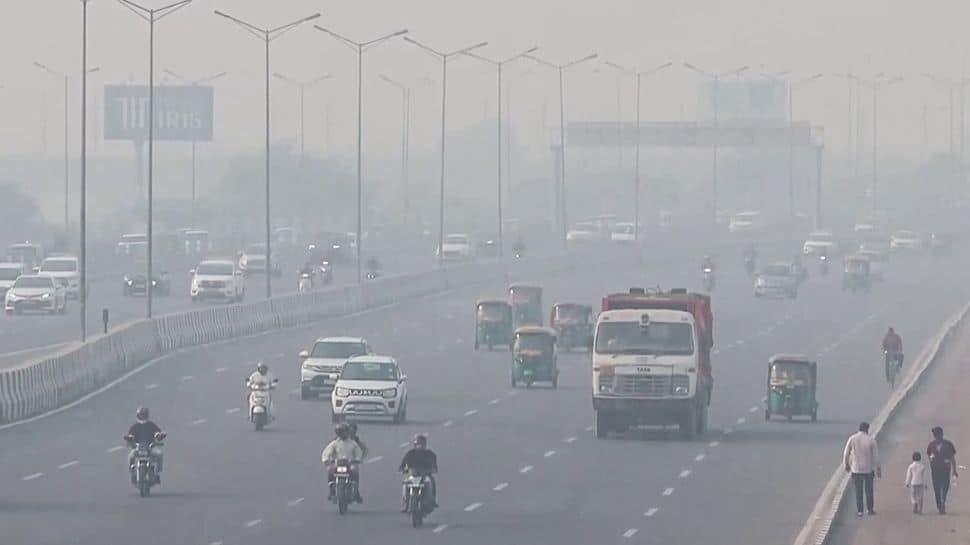
The national capital is battling a severe air pollution emergency, with the Air Quality Index (AQI) registering a concerning 361, firmly placing it in the ‘very poor’ zone. This toxic smog blankets Delhi, impacting air quality significantly as winter’s grip tightens. The Central Pollution Control Board (CPCB) confirmed the grim figures, highlighting the extent of the pollution crisis.
Analysis of data reveals that over half of the city’s air quality monitoring stations reported AQI levels exceeding 400, indicating extremely hazardous conditions. Specific areas like Wazirpur, Bawana, and Vivek Vihar registered particularly high pollution counts. Other severely affected localities include Rohini, Nehru Nagar, RK Puram, and ITO. The air quality in adjacent NCR cities like Noida, Ghaziabad, and Gurugram also remains a major concern, reflecting the widespread nature of the pollution.
Meanwhile, Delhi is experiencing its first real taste of winter, with the mercury dropping to a chilly 11 degrees Celsius. The India Meteorological Department (IMD) predicts that temperatures will continue to decline. Mornings are expected to feature mist and shallow fog, with minimum temperatures likely to hover around 10 degrees Celsius. This shift in weather patterns contrasts with forecasts for other parts of the country, where heavy rains are expected in the south and cold wave alerts have been issued for central India.