

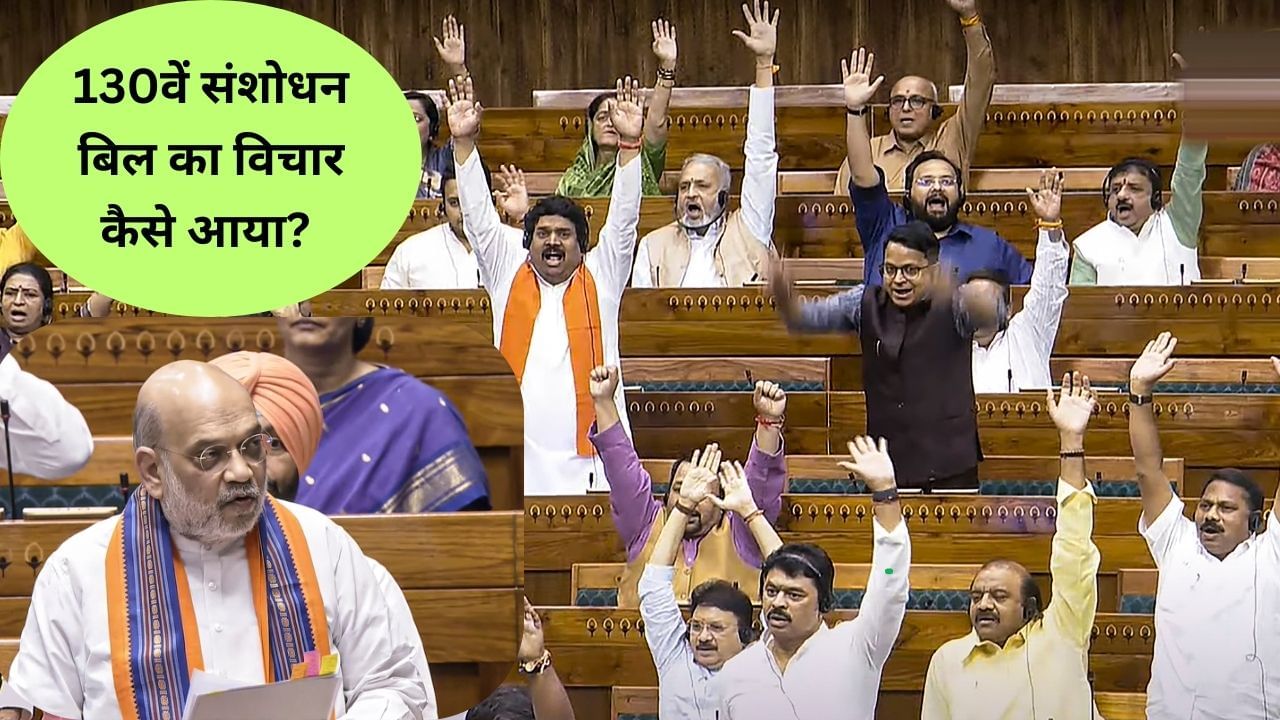
The backdrop to the 130th Constitutional Amendment Bill involves a critical situation: the imprisonment of Delhi’s Chief Minister, Arvind Kejriwal, and the subsequent question of leadership. The court, constrained by existing laws, was unable to compel his resignation without a conviction, underscoring a perceived gap in the constitutional framework.
This led the central government to consider how to address such scenarios in the future. The perceived erosion of political integrity and the decline of public accountability prompted the need for a new law.
During the bill’s presentation, Home Minister Amit Shah referenced his own past experiences with legal challenges, including imprisonment. He emphasized that he had resigned before incarceration and did not hold office until cleared of the charges.
However, the bill has stirred significant concerns among opposition parties. They fear it could be used to politically target state governments led by the opposition. They are worried about the potential misuse of central agencies.
The presentation of the bill in the Lok Sabha was met with strong resistance. The India alliance parties, including the Trinamool Congress, Samajwadi Party, and Congress, protested vehemently. Despite the disruption, Home Minister Amit Shah initiated a detailed discussion and proposed referring the bill to a Joint Parliamentary Committee (JPC). The JPC will include 31 members and will seek input from various parties before submitting its report.
If the government alleviates opposition concerns about potential political misuse, it will strengthen the bill’s justification. Given the circumstances in Delhi, the bill could be considered a necessary measure.