

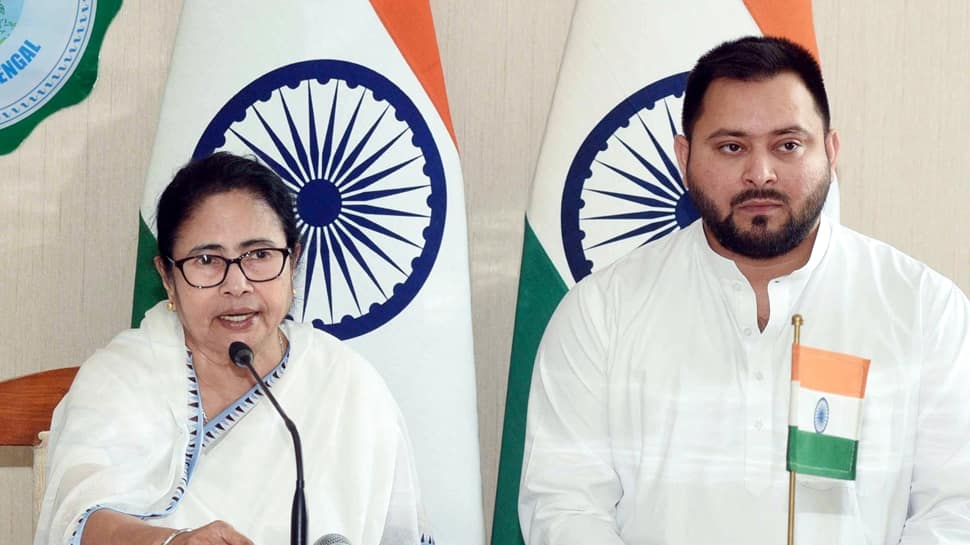
With Bihar on the cusp of assembly elections, RJD leader Tejashwi Yadav appears to be adopting a popular political strategy, drawing parallels with West Bengal Chief Minister Mamata Banerjee. Yadav’s recurring ‘Bihari versus Bahari’ slogan, translating to ‘local versus outsider,’ strongly echoes Banerjee’s ‘Bohiragata’ rhetoric against national political figures. This tactic aims to rally voters by emphasizing regional identity and resisting perceived external political dominance.
Yadav’s public positioning as a proud local confronting an ‘external’ force is designed to counter the BJP’s narrative in Bihar. It serves to deflect criticism about his party’s past governance and to create a clear ‘us versus them’ dynamic for voters.
Mamata Banerjee has a history of using the ‘outsider’ label against prominent national leaders, including those from the Congress and the BJP. Her party frames such national parties as threats to West Bengal’s autonomy, a stance often criticized by opponents who highlight the presence of non-local representatives within her own Trinamool Congress. The Representation of the People Act, 1951, allows for individuals to represent constituencies outside their home states, underscoring that such rhetoric is primarily aimed at shaping political perception.
This ‘outsider’ discourse, employed by both leaders, aims to consolidate a regional narrative and mobilize support. Analysts suggest it’s a method to shift electoral focus from governance to identity politics, potentially offering a significant advantage during heated election campaigns. The RJD’s adoption of this strategy in Bihar, and the potential for its resurgence in West Bengal, highlights its potency in regional politics.