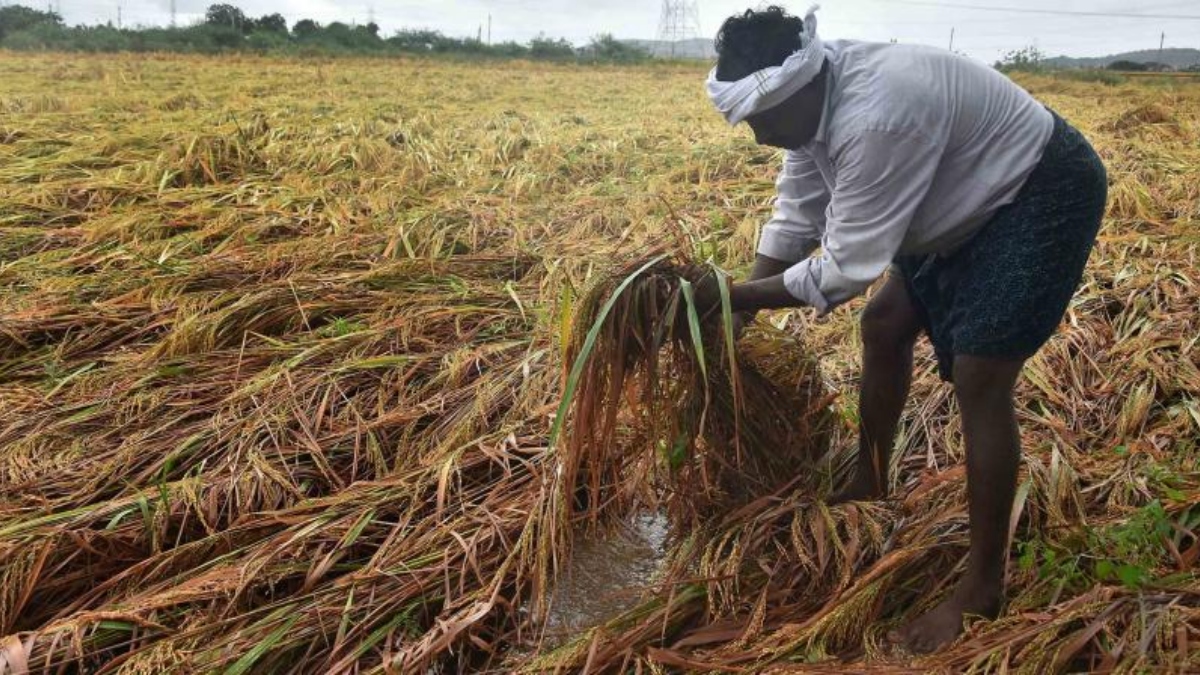
India is tackling a surplus of rice by diverting a record volume for ethanol production, a strategy set to become even more crucial with the anticipated post-monsoon harvest. This shift is a direct consequence of a period of rice scarcity that necessitated an export ban. Now, converting excess rice into ethanol is helping India manage its stocks and meet its ethanol blending objectives, especially with potential sugarcane shortages. Following a two-year ban due to drought, India resumed rice exports in March. This year, the expectation is for a plentiful harvest, thanks to good rainfall. A government source emphasized that food security remains the priority, but the surplus prompted the decision to utilize rice for ethanol. The Food Corporation of India (FCI) has assigned a record 52 lakh metric tonnes of rice, approximately 9% of the global rice trade, for ethanol, in stark contrast to last year’s figure of under 3,000 tonnes. On June 1, the FCI had 59.5 million tonnes in stock, vastly surpassing the July target of 13.5 million tonnes. This surplus has also kept maize prices in check. Grain distilleries are adapting by switching between maize, rice, and other grains based on market prices. India, a major oil importer, aims for a 20% ethanol blend in petrol by 2025/26, nearing this goal in May at 19.8%, largely thanks to the available rice. The 2023 drought had previously threatened this target, as sugarcane supplies dwindled.