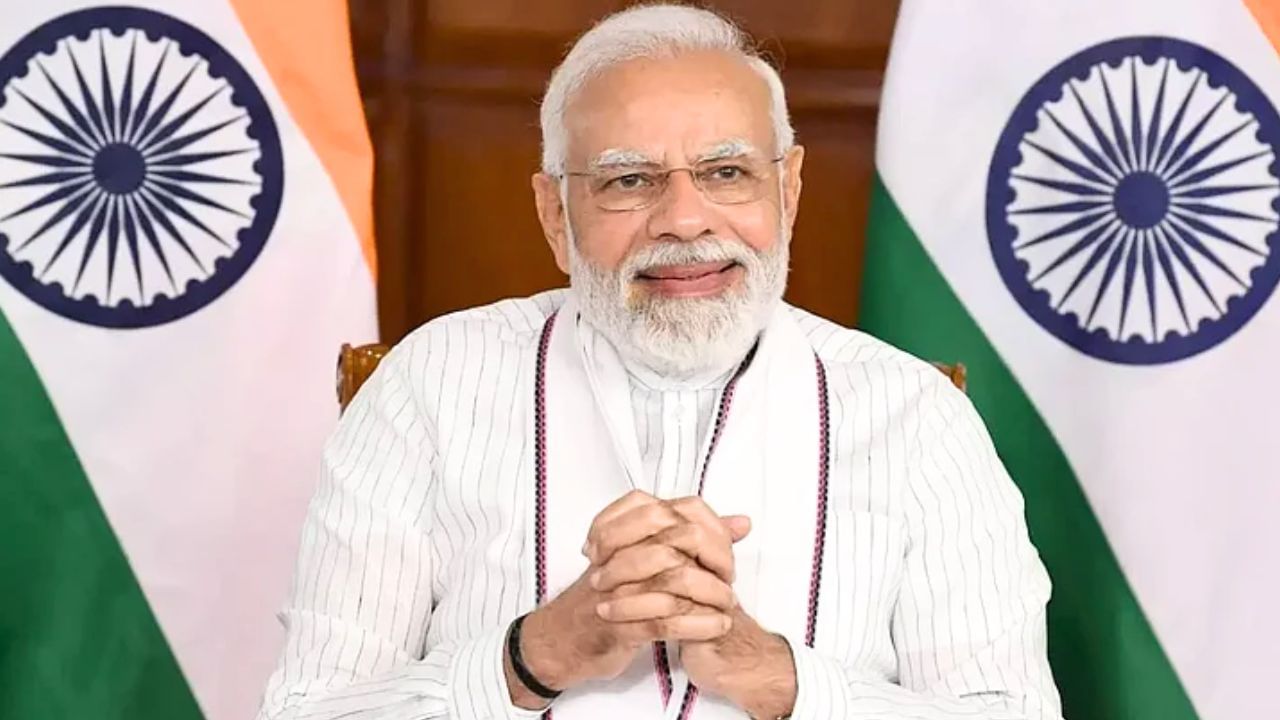
The Prime Minister Narendra Modi is set to inaugurate Semicon India-2025, a key event aimed at fostering India’s semiconductor industry. The Prime Minister will be present at the conference on Tuesday and Wednesday, including participation in a CEO roundtable discussion. The conference, spanning three days, will center on developing a robust and enduring semiconductor ecosystem within India. Discussions will span a range of topics including the progress of the Semicon India program, semiconductor fabrication, advanced packaging, infrastructure readiness, smart manufacturing practices, research, development, and AI-driven innovation, investment prospects, and the execution of state-level policies. Further, the agenda includes insights into initiatives under the Design Linked Incentive (DLI) plan, expansion of the startup ecosystem, international partnerships, and the strategic direction for India’s semiconductor sector. The event is expected to draw over 20,750 attendees, comprising more than 2,500 delegates representing over 48 nations, alongside more than 50 global dignitaries, over 150 speakers, and upwards of 350 exhibitors. The conference program will feature roundtables involving six countries, alongside country-specific pavilions and dedicated spaces for workforce development and startups. Following the Prime Minister’s vision to position India as a pivotal center for semiconductor design, manufacturing, and technological progress, previous conferences took place in Bengaluru (2022), Gandhinagar (2023), and Greater Noida (2024). During a recent visit to Japan, Prime Minister Modi and Japan solidified 21 crucial agreements, with significant focus on collaboration in the semiconductor and AI sectors. The Prime Minister’s itinerary included a visit to the Tokyo Electron semiconductor plant, where both nations committed to fortifying strategic collaborations in advanced technologies. Japan is recognized for its global leadership in the semiconductor equipment and materials market. The India-Japan pact also includes the transfer of Japanese legacy technology to India, aiming to lessen reliance on China and bolster economic security.
Semicon India 2025 to be Launched by PM Modi, Bringing Together Global Semiconductor Leaders
 By The Chhattisgarh2 Mins Read