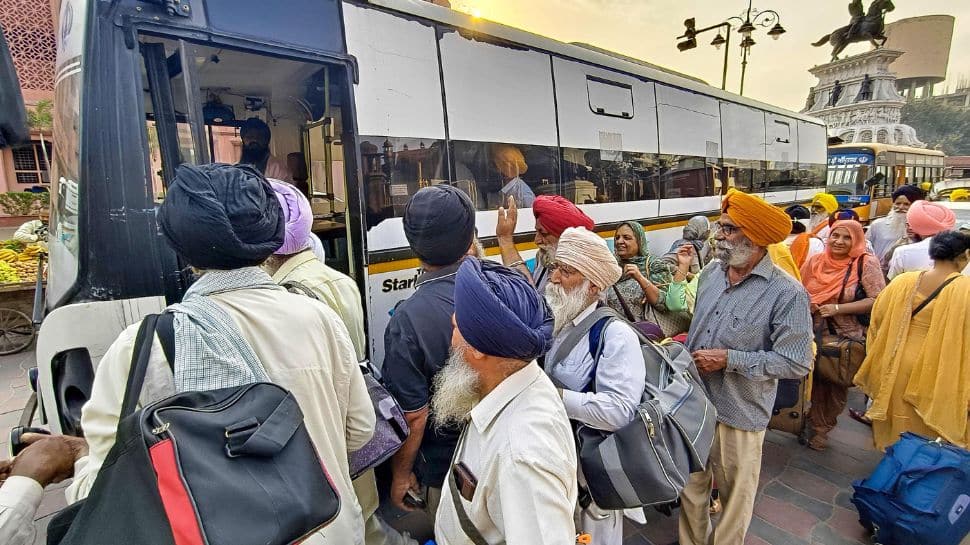
New intelligence indicates Pakistan is leveraging Khalistani secessionist groups, directed by its intelligence services, to actively incite division between Hindu and Sikh communities within India. While Pakistan outwardly claims to champion Sikh interests, it is simultaneously providing financial and logistical support to Khalistani operatives engaged in activities designed to damage Sikhism’s international standing. Evidence of this alleged strategy has emerged from a concerning incident at Nankana Sahib. Approximately fourteen Hindu pilgrims, originating from Delhi and Lucknow, were reportedly subjected to humiliation and expulsion by Pakistani officials while attempting to participate in Guru Nanak Dev’s birthday festivities. Eyewitness accounts suggest the pilgrims were explicitly barred from proceeding due to their religious identity, with officials stating they could not join the Sikh contingent. Consequently, they were compelled to trek back towards India. This discriminatory treatment has prompted scrutiny of Pakistan’s intentions, with questions arising about the purpose of granting visas if immediate expulsion was planned. The act has been labeled a shocking display of religious discrimination. These affected Hindu families, who had previously resided in Pakistan before migrating to India in 1999 to escape religious persecution and later became Indian citizens, highlight the sensitive nature of interfaith relations. Under the Shimla Agreement, Indian pilgrims regularly visit Nankana Sahib. The reported segregation and forced return of Hindu devotees is viewed as a direct affront to their religious beliefs and an insult to India, reinforcing the perception of Pakistan’s ongoing commitment to divisive tactics.