

The Biju Janata Dal (BJD) has expressed its displeasure with the central government’s stance on the Goods and Services Tax (GST), particularly concerning kendu leaves and the handloom sector. The BJD’s discontent stems from the lack of full GST exemptions for these vital sectors, which are crucial to Odisha’s economy. The party and various organizations in the state have been advocating for complete GST waivers for an extended period.
During a press conference discussing the revised GST slabs applicable to Odisha, BJD leaders, including Senior Vice President Debi Prasad Mishra and former Finance Minister Niranjan Pujari, voiced their concerns. They highlighted the party’s persistent efforts since 2018 to secure a full GST exemption for kendu leaves. They emphasized that despite appeals from previous administrations, including a direct letter from former Chief Minister Naveen Patnaik to the Union Finance Minister, the desired exemption has not been granted.
While the GST rate on kendu leaves has been lowered from 18% to 5%, the BJD maintains that this reduction does not provide significant financial relief to those involved in harvesting the leaves. Pujari also voiced the demand for full GST exemption for the handloom sector, citing the importance of protecting the interests of local weavers. The former finance minister pointed out the disparity between the power loom and handloom sectors within the textile industry. Power looms, controlled by large-scale industrialists, contrast with handlooms, which support impoverished weavers producing traditional items like cotton and silk sarees.
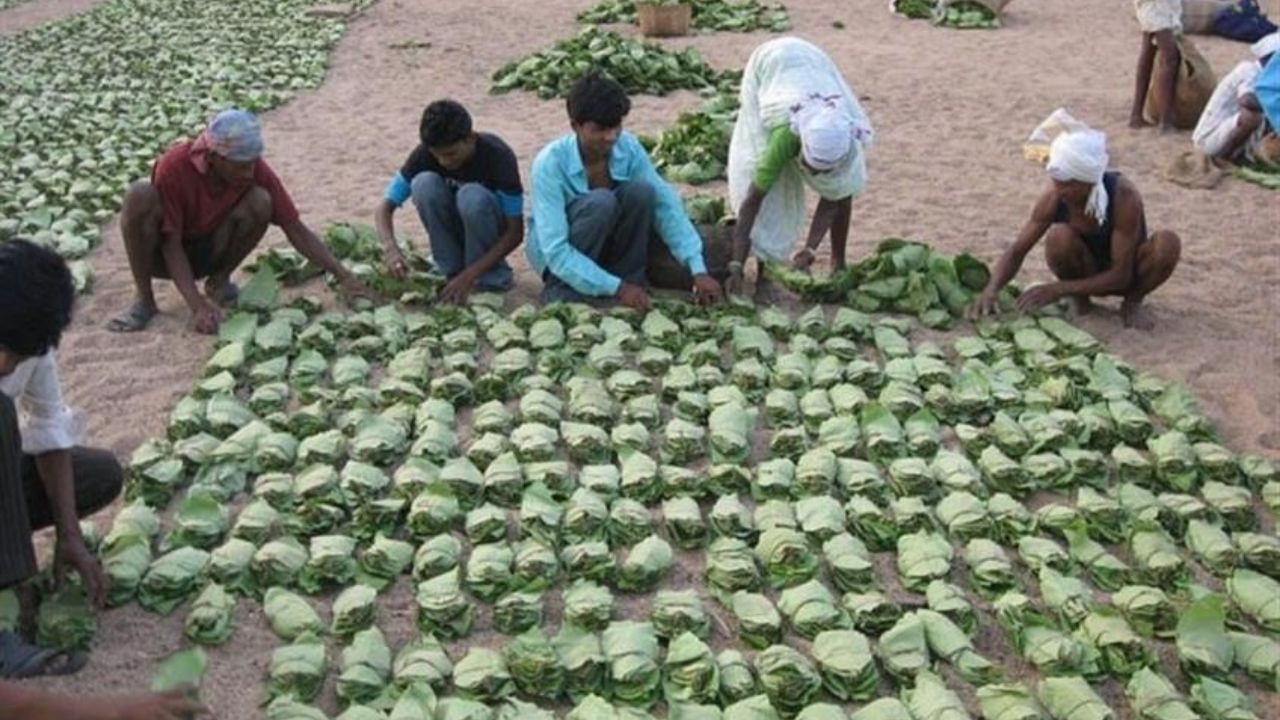
The BJD reiterated its support for full GST exemptions for both sectors. Odisha, the third-largest producer of kendu leaves in India, relies heavily on this industry. With an annual production of about 3 lakh quintals, the state contributes approximately 20% to the national output. The kendu leaf trade, concentrated in 22 Odisha districts, primarily supports tribal communities. The leaves, used primarily for making bidis, also have medicinal applications, notably in Ayurvedic treatments for conditions like diabetes and diarrhea. They are a significant Non-Wood Forest Product (NWFP) crucial for tribal communities, produced in states like Odisha, Madhya Pradesh, and Chhattisgarh.