

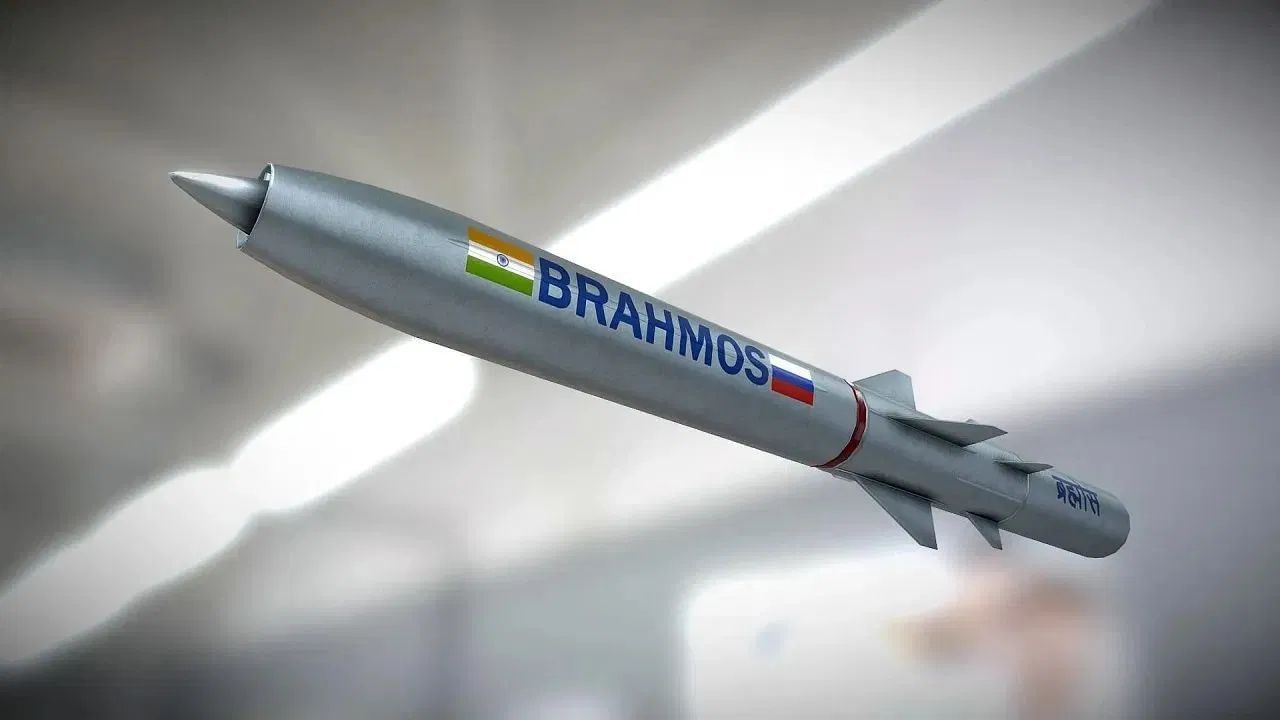
The BrahMos supersonic cruise missile, a cornerstone of India’s defense, is set for a significant upgrade. BrahMos Aerospace is ramping up production and export strategies. The new BrahMos-NG, or Next Generation, missile is anticipated to reach the testing phase by 2026. Russia has shown strong interest in integrating this advanced missile into its military.
Joint efforts between India and Russia are focused on reducing manufacturing costs by expanding production facilities. There is a possibility that Russia will purchase BrahMos missiles for its military. The success of BrahMos in Operation Sindoor, in terms of its striking power and accuracy, has greatly influenced Russia’s decision to procure the missile.
In the last 25 years, the production of BrahMos missiles has totaled only 1,000, which averages to approximately 25 units annually. This has resulted in elevated costs. Increased production is expected to lower costs and allow for sales to more countries.
The BrahMos-NG features a design that is both lighter and more compact compared to its predecessor. While the standard BrahMos weighs 3,000 kg, the NG model will weigh less than 1,250 kg. Its reduced weight allows for launch from lighter combat aircraft such as the LCA Tejas and MiG-29. The missile will accurately strike targets up to 300 km away. Furthermore, it can be deployed from land, air, and sea platforms, with submarine-launch capabilities also being developed.
The effectiveness of the BrahMos in Operation Sindoor in May 2025 has drawn significant global attention. Following this event, 14 countries have expressed their interest in the missile. The Philippines, for instance, has already acquired BrahMos missiles to enhance its naval capabilities in addressing the growing Chinese aggression.
A new ramjet engine is being developed by NPO Mashinostroeyenia, a Russian firm, specifically for the BrahMos-NG. This engine design will allow the missile to maintain its speed and lethality while reducing its weight.
India initiated the BrahMos-NG project in 2011, with the core development starting in 2017. The impending testing phase of the missile signifies the addition of advanced, lightweight, and formidable weapons for the Indian Air Force. This advancement not only strengthens India’s defense policies but also elevates its position in the global arms market.