

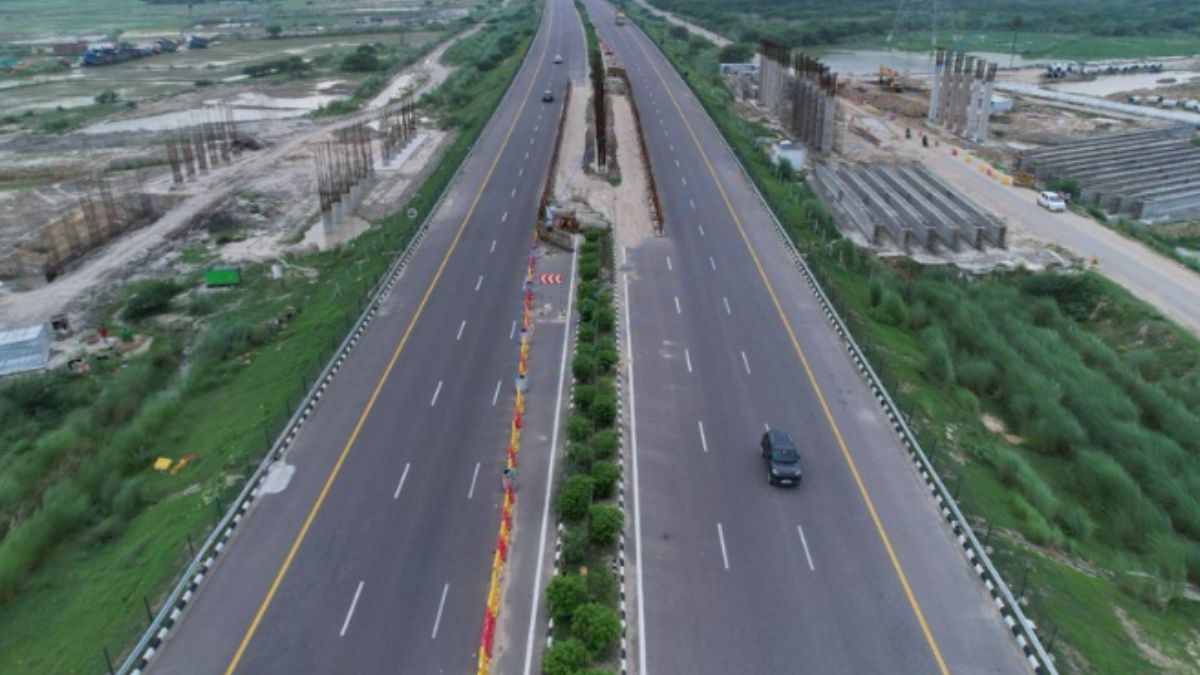
The Uttar Pradesh Industrial Corridor Development Authority (UPEIDA) has taken a decisive step by prohibiting land transactions along the proposed Noida-Ganga Expressway route. This measure aims to expedite infrastructure development around the Noida International Airport. The 74.3 km expressway will connect the airport to both the Ganga Expressway and Yamuna Expressway, thereby integrating three key transport initiatives within the state.
Under the project, the Ganga Expressway, with an estimated cost of Rs 4,000 crore, will link Meerut and Prayagraj. The new expressway extension is slated to begin near Syana in Bulandshahr and culminate near Film City, located in Sector-21 near the Yamuna Expressway. The route’s strategic importance lies in reinforcing passenger and logistics capabilities across western Uttar Pradesh.
Following UPEIDA’s directive, administrative officials from Noida and Bulandshahr have begun conducting surveys to pinpoint designated land parcels and prepare for their acquisition or management.
The planned expressway will have a width of 120 meters and the route has been adjusted to bypass established areas of Yamuna City. It will now pass through 56 villages, including 8 in Noida and 48 in Bulandshahr. Notable villages along the route include Mahndipur Bangar, Bhaiyapur Brahmanan, Rabupura, and Myana (Noida), as well as Amanullahpur, Kapna, and Bhagwanpur (Khurja tehsil). Numerous panchayats from Syana and Shikarpur tehsils will also be impacted.
YEIDA officials emphasize the expressway’s role in driving regional industrial and economic growth, enabling efficient cargo transport from Noida Airport to industrial areas in Yamuna City (like Sectors 28, 29, 32, and 33). This will enhance both connectivity and passenger travel between Delhi, Agra, Mumbai, and Prayagraj, while strengthening the logistics infrastructure.
Plans are also in progress to connect this expressway to NH-34. This major infrastructure endeavor echoes similar recent road projects, like the 66-km section on the Delhi-Jaipur route which reduced travel time by an hour and affected 56 villages.