

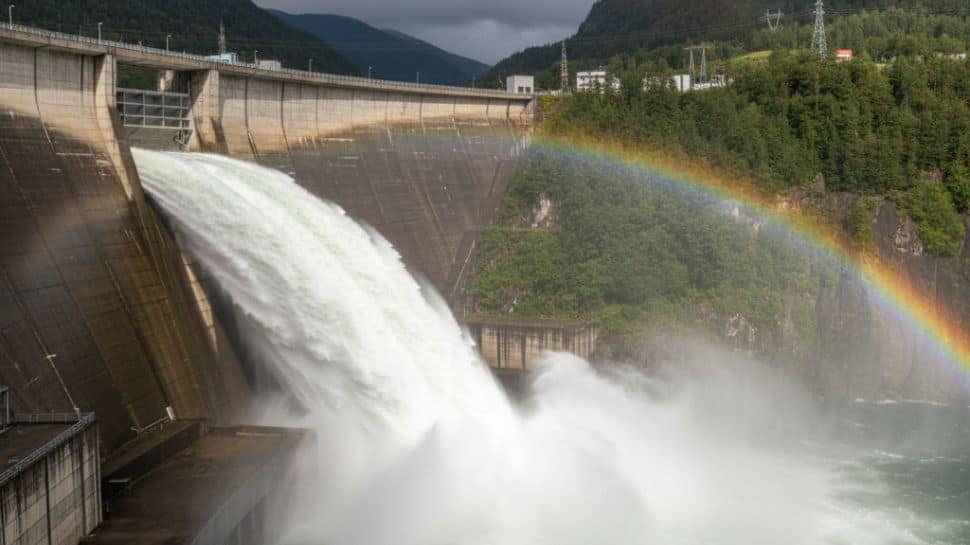
In a move signaling a new geopolitical front, Afghanistan is set to build a significant dam on the Kunar River. This ambitious project by the Taliban government is poised to drastically reduce the water flow reaching Pakistan, a move widely seen as a form of ‘water revenge’ following recent border clashes and Pakistani air incursions into Afghanistan. Pakistan, already facing water stress, is now confronted with a critical threat to its water security.
The Kunar River, a major tributary of the Indus, plays an indispensable role in Pakistan’s agricultural and energy sectors. Originating in Pakistan’s northern mountains, the river traverses Afghanistan before returning to Pakistan, ultimately feeding the Indus, which irrigates vast swathes of the country. The potential obstruction of its flow by the new Afghan dam could have catastrophic consequences.
Taliban leadership has reportedly prioritized the rapid construction of the Kunar dam, mandating the use of domestic companies and resources. This indicates a clear intent to accelerate the project and demonstrate self-sufficiency in its water management. The decision to proceed with the dam follows direct military actions by Pakistan against Afghan territory, framing the dam as a direct response and a means to assert sovereignty over shared water resources.
Experts estimate that the dam could cut Pakistan’s access to Kunar River water by up to 30%. This reduction would critically impact agricultural lands, particularly in the fertile plains of Punjab, and exacerbate existing drinking water shortages. Moreover, a significant drop in hydropower generation is anticipated, plunging millions into darkness and further straining the nation’s economy. Pakistan’s geographical disadvantage, coupled with the absence of a binding water treaty with Afghanistan, leaves it with few options to counter this impending water crisis.