

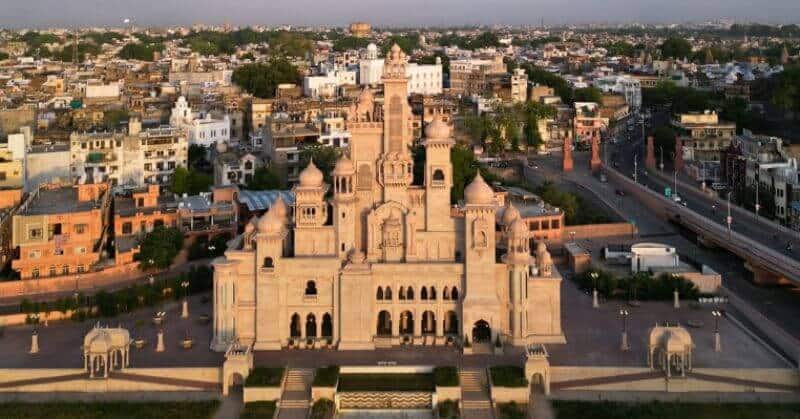
Kota, Rajasthan, widely recognized as India’s premier destination for competitive exam preparation, has achieved an unprecedented urban feat: it’s now the country’s first city to operate without a single traffic light. This revolutionary system ensures a fluid and efficient commute for everyone, from local residents to the many students traveling through the city each day. This innovative model is built upon meticulous planning and cutting-edge infrastructure.
The Urban Improvement Trust (UIT) in Kota championed this transformative project, envisioning a city where traffic never halts. They achieved this by constructing an intricate system of interconnected ring roads, enabling vehicles to bypass traditional intersection bottlenecks. This strategic development has led to substantial reductions in travel time and a consistently smooth flow of traffic.
Complementing the ring roads, Kota has introduced more than twenty-four flyovers and underpasses at critical intersections. These elevated and subterranean passages are designed to keep traffic moving, eradicating the need for vehicles to stop at signal lights. This creates a dynamic and responsive urban transport network.
The positive outcomes are far-reaching. Commuters experience dramatically shorter travel durations, contributing to increased productivity and reduced stress. Moreover, the smoother traffic flow leads to fewer road accidents and a decrease in fuel usage, making journeys more sustainable and cost-effective.
Kota’s groundbreaking achievement offers a compelling case study for other Indian cities struggling with traffic jams and outdated signal systems. It proves that innovative urban planning and infrastructure upgrades can effectively replace conventional traffic controls, enhancing both safety and operational efficiency.
Despite serving a large population, including tens of thousands of students, Kota’s traffic environment now exemplifies uninterrupted movement. This shift underscores how intelligent urban design can transform a chaotic, signal-reliant city into a beacon of efficient, continuous travel, establishing a progressive standard for urban transportation across India.