

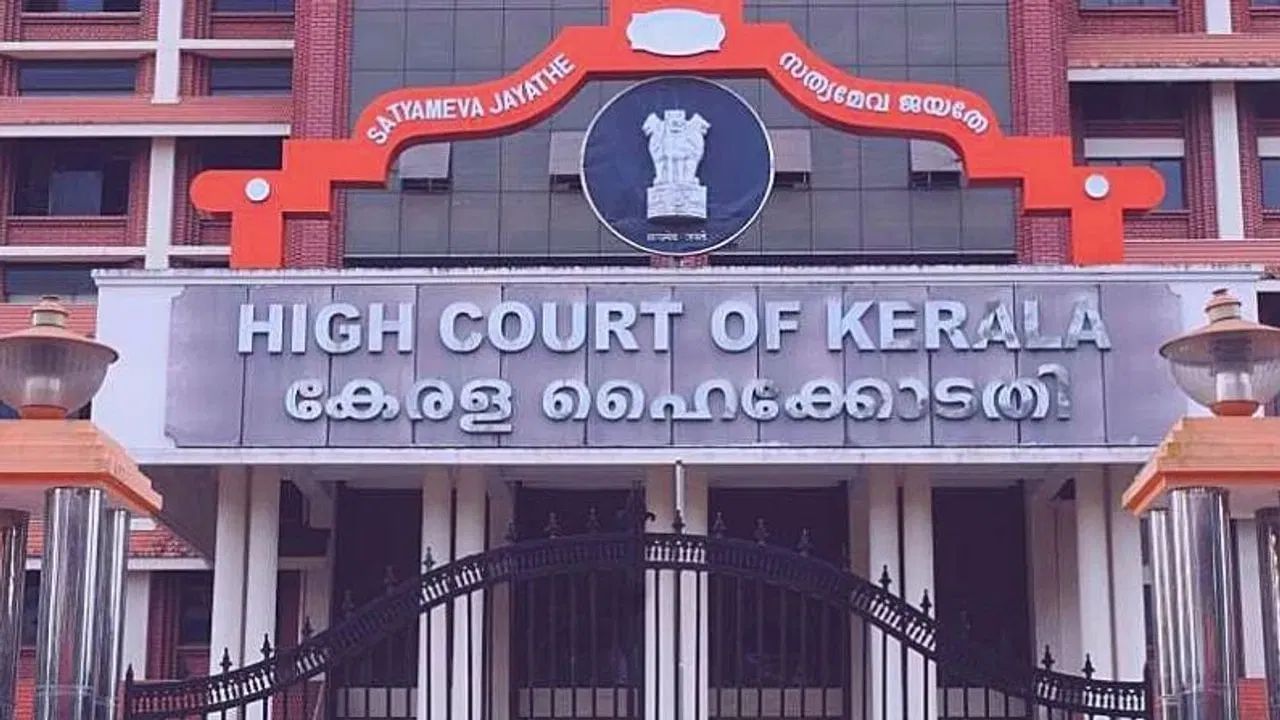
A recent ruling by the Kerala High Court mandates that trial court judges personally review video evidence alleged to be obscene in cases of distributing such material. This decision aims to ensure fair judgments and accurate assessments of the evidence presented. The court’s ruling came during a review of a case involving an individual accused of distributing video cassettes containing potentially obscene content. The High Court criticized the lower court for convicting the accused under Section 292 of the Indian Penal Code (IPC) without independently verifying the content of the video cassettes presented as evidence. The court pointed out that the lower court had failed to examine the content to determine whether it actually qualified as obscene material.
The High Court further clarified that when such videos are submitted as evidence under IPC Section 292, the court must meticulously examine the content to ascertain if it contains scenes that are lascivious or appeal to prurient interests, thereby potentially arousing lust or corrupting the viewer’s mind.
The case at hand concerned Harikumar, who operated a video shop in Kottayam and was accused of possessing ten obscene video cassettes. After the cassettes were seized, the trial court found Harikumar guilty under specific sections of the IPC, imposing a two-year sentence and a fine. This was later reduced to a one-year sentence while the fine was maintained. Harikumar challenged these orders in the High Court, arguing that the magistrate had not personally viewed the video content. The prosecution’s case was built on witness testimonies and investigative reports, rather than the video evidence itself. The High Court reiterated that video cassettes are considered primary evidence under the Indian Evidence Act, 1872. The court then stated that it is compulsory for the court to directly investigate the cassettes when claims of obscene content are made. The High Court also clarified that although witness testimony and reports can support some conclusions, they cannot take the place of direct examination by the court. The court concluded that the lower court’s failure to examine the cassettes directly rendered Harikumar’s conviction unsustainable, leading to the overturning of his conviction and sentence.