

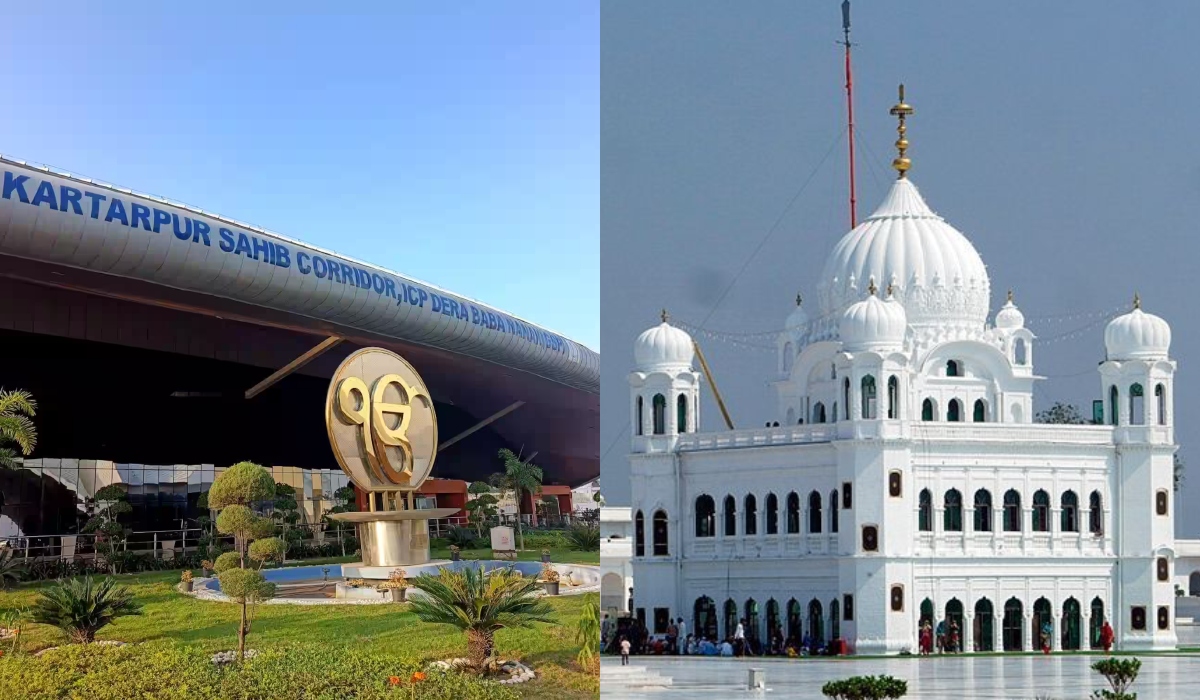
The Kartarpur Corridor, a landmark achievement fostering spiritual connection between India and Pakistan, is now in its sixth year of operation but has been closed since May 2025. Following security concerns triggered by Operation Sindoor, movement through the corridor has been suspended indefinitely, leaving a void in the hearts of Sikh pilgrims worldwide. Although the agreement governing its use has been extended to 2029, there is no clear timeline for the resumption of services.
Launched with great fanfare on November 9, 2019, coinciding with Guru Nanak Dev Ji’s 550th birth anniversary, the corridor provided unprecedented visa-free travel for Indian Sikhs to Gurdwara Darbar Sahib in Pakistan. The inauguration was marked by a delegation led by a former Prime Minister, symbolizing a rare moment of cross-border harmony and spiritual outreach. The project was celebrated as a tangible expression of Sikh tenets: service, peace, and devotion.
Historically, the desire for access to Gurdwara Darbar Sahib, where Guru Nanak Dev Ji spent his final years, dates back to the 1947 partition. The shrine’s location in Pakistan meant that for over seventy years, devotees could only observe it from Indian soil, fueling a deep-seated spiritual longing. This aspiration began to materialize through discussions in 1999 and culminated in the corridor’s construction, showcasing faith-driven diplomacy.
The global community recognized the corridor’s significance. UN Secretary-General António Guterres visited and called it a “corridor of hope,” emphasizing its role in promoting interfaith understanding and peace. The period before early 2020 saw thousands of pilgrims experience the emotional journey of reaching the sacred shrine visa-free.
However, the suspension since May 2025 has forced pilgrims back to conventional travel via Attari-Wagah and visa applications, re-establishing barriers that the corridor had so effectively removed. The future of this spiritual gateway remains uncertain, despite the ongoing bilateral framework. It remains a powerful symbol of resilience, a testament to the enduring belief that faith can conquer political divides, and a hopeful anticipation for its eventual reopening.