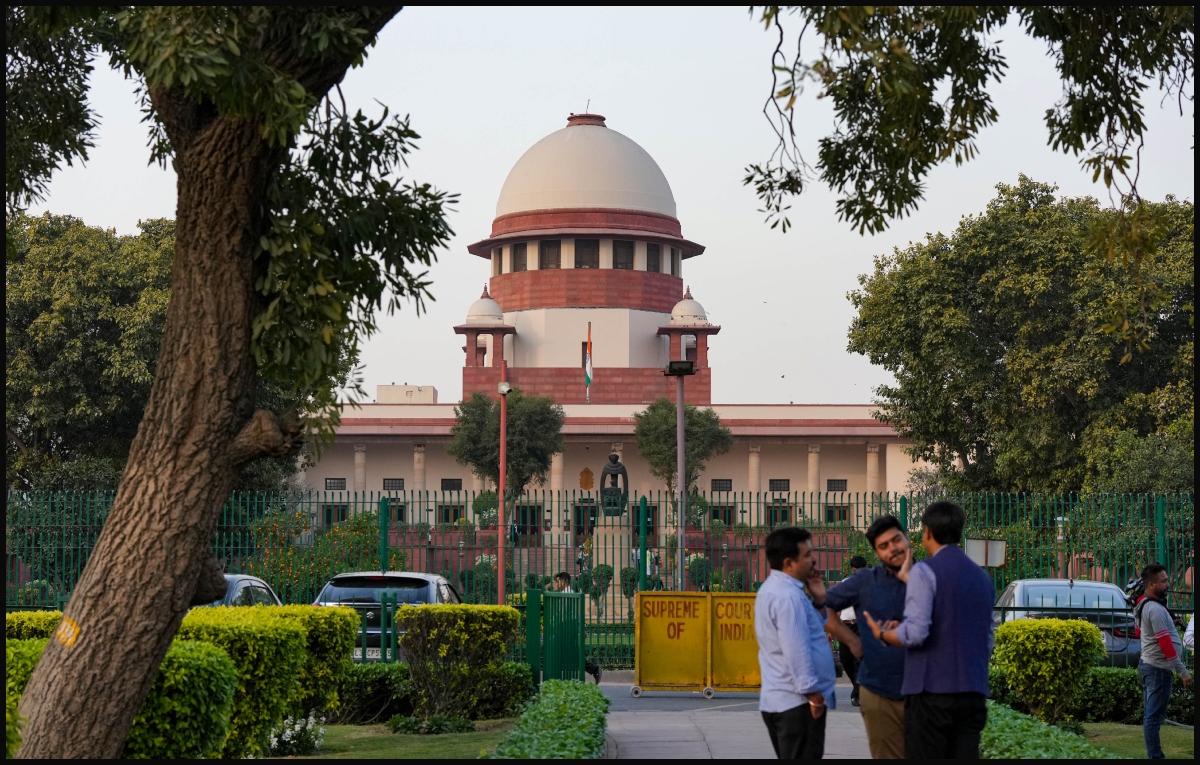
In a landmark decision, the Supreme Court has declared that judicial bodies should not establish timelines for the President or Governors to act on bills passed by legislatures. The apex court’s Constitution bench asserted that the power under Article 142, while extensive, cannot be used to deem a bill as assented to. The Court acknowledged that Governors must act on bills but argued that imposing fixed timelines would violate the separation of powers doctrine. Judicial review, the Court explained, typically applies once a bill has progressed to become an act, not during the Governor’s deliberation process. The ruling, addressing a presidential reference, highlighted the traditional three avenues available to Governors: assent, return for reconsideration, or referral to the President. The Court also expressed disapproval of its own past practice of granting ‘deemed assent,’ viewing it as an overreach into the executive’s constitutional role. The bench firmly stated that the exercise of a Governor’s power under Article 200 is not a matter for immediate judicial scrutiny.