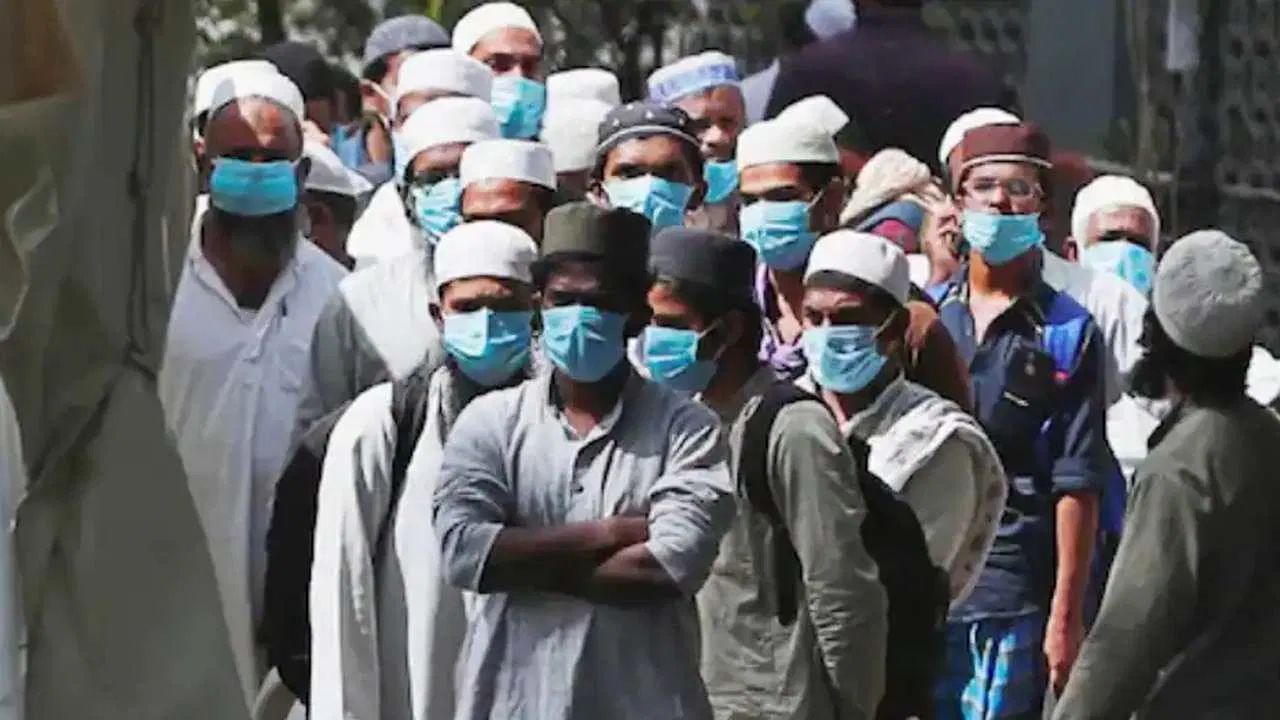
Indian intelligence agencies are again highlighting concerns regarding the Tablighi Jamaat, specifically focusing on its foreign members. The agencies believe that these individuals are exploiting tourist, student, and medical visas for religious propagation, which breaches the terms of their visas. Sources within the intelligence community indicate that foreign members are involved in activities like ‘Chilla’ (preaching tours) in various districts of Maharashtra, operating in small groups. To avoid detection, they are staying away from large gatherings and mosques, instead utilizing private hotels, lodges, and residences, supported by local individuals for lodging, food, and transport. Authorities are recommending increased vigilance, particularly during festivals such as the Ganpati festival, given the potential impact of foreign nationals’ involvement in promotional activities on social harmony. Stricter visa regulations were implemented by the central government following the 2020 COVID-19 controversy linked to the Nizamuddin Markaz. Current rules strictly prohibit religious preaching, participation in religious gatherings, and the distribution of religious literature under any visa category. Thousands of foreign nationals were previously blacklisted, preventing their entry into India for a decade. The financial transparency of the Tablighi Jamaat is also under scrutiny. Intelligence reports suggest instances of Hawala funding, undisclosed foreign funds, and violations of FCRA regulations. The CBI and ED are conducting investigations to trace the funding sources. Additionally, FIRs have been filed in sensitive areas of Maharashtra concerning the construction of unauthorized religious sites and unregistered assemblies, implicating several NGOs and trusts. While the Tablighi Jamaat itself does not advocate violence, agencies are wary that some former members have affiliated with terrorist groups like Al-Qaeda and ISIS. The focus of the monitoring, according to a senior security official, is on visa violations rather than religious activities. Any foreign national found to be preaching or constructing without authorization will be subject to legal action under the Foreigners Act, 1946, and related laws.
Intelligence Agencies Raise Concerns Over Tablighi Jamaat Activities in Maharashtra, Citing Visa Violations