

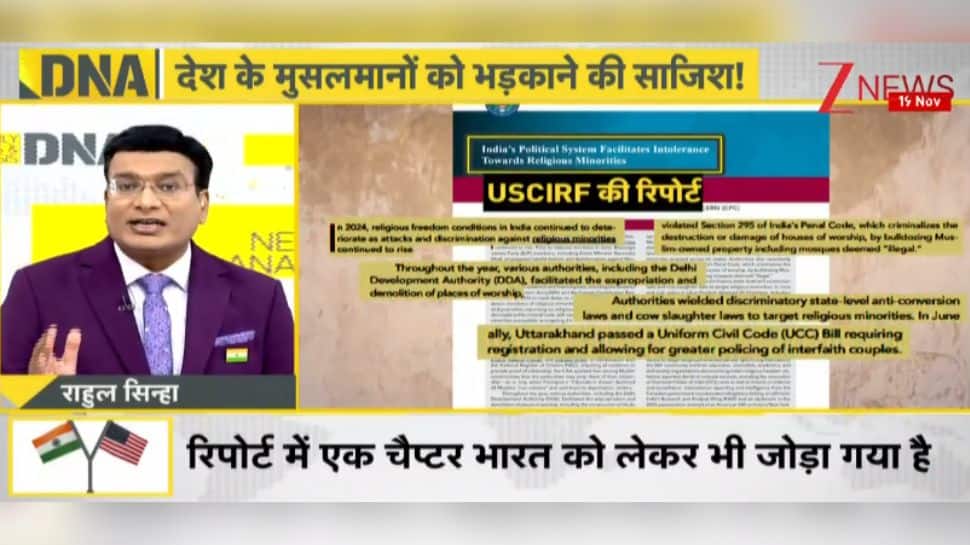
The United States Commission on International Religious Freedom (USCIRF) has released a report alleging a deteriorating religious freedom situation in India, prompting strong criticism from New Delhi. The report claims heightened discrimination against minorities, citing specific examples such as mosque demolitions to build temples and the impact of anti-conversion laws on religious liberties. USCIRF has broadly described India’s religious climate as ‘alarming.’
Responding to the report, Indian officials and community representatives have countered that the USCIRF’s assessments are detached from reality and rely on selective information. Leaders within the Muslim community, specifically highlighted in the report, have openly refuted its findings, emphasizing India’s long-standing tradition of religious tolerance and minority protection. They view such external reports as attempts to destabilize and negatively portray India internationally.
This marks a recurring pattern of criticism from USCIRF. Many in India question the consistent issuance of what they perceive as unbalanced reports. There is a prevailing sentiment that these reports are strategically employed to exert international pressure on India.
In counterpoint, Indian voices have highlighted domestic issues within the United States concerning minority rights. Statistics reveal a substantial increase in hate crimes across the US, disproportionately affecting Jewish and Muslim communities. The number of hate incidents targeting Jewish citizens has been in the thousands, while hate crimes against Muslims have seen a dramatic rise. Incidents targeting Hindu and Buddhist places of worship have also been documented.
These internal US data points, according to analysts, cast doubt on the credibility of the USCIRF’s pronouncements. The perception in India is that such reports are part of a wider geopolitical maneuver to discredit rapidly developing nations, aligning with historical observations about powerful nations resisting challenges to their global influence.