

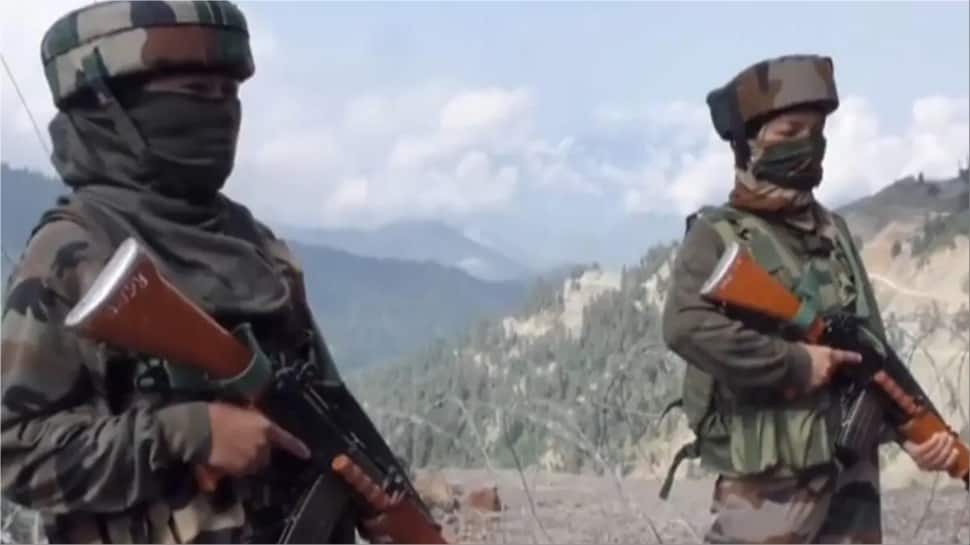
A high-level alert has been sounded across India, particularly in Jammu and Kashmir, Haryana, Delhi, and Uttar Pradesh, due to credible intelligence about a planned wave of terror attacks by Pakistan-backed outfits. This imminent threat is seen as a potential retaliation for India’s successful ‘Operation Sindoor’ earlier this year, which dismantled numerous terror camps. The warning comes amidst ongoing investigations into a sophisticated “white-collar” terror module and a recent blast in Delhi.
Intelligence agencies describe the looming threat as a “critical warning,” anticipating a prolonged period of “long winter of terror” involving highly coordinated suicide attacks and drone-enabled strikes. Reports indicate that key terror outfits like Lashkar-e-Taiba (LeT) and Jaish-e-Mohammed (JeM) have begun reactivating dormant cells. This resurgence follows secret meetings in the Kotli region of Pakistan-occupied Kashmir in October, reportedly attended by ISI officials, Jamaat-e-Islami operatives, and Hizbul Mujahideen members seeking to avenge their earlier losses.
Furthermore, Pakistan’s Border Action Teams (BATs), bolstered by Special Services Group (SSG) commandos and handlers from LeT and JeM, are reportedly involved in these preparations. Terrorist groups are actively conducting reconnaissance along the Line of Control (LoC) to identify potential gaps for large-scale infiltrations, aerial weapon deliveries, and high-impact attacks on security personnel and political operatives. The expansion of narco-terror and arms smuggling networks through Punjab and Rajasthan is being utilized to fund these terror activities. Training programs are reportedly being adapted for winter warfare, allowing operations to continue even under heavy snowfall.
Since September, there has been a noticeable increase in infiltration attempts, suggesting a series of attacks planned for the “coming weeks” before winter makes movement across the LoC impossible. Intelligence sources also suggest that the ISI has reactivated 15 terror camps in PoK to support these renewed offensive plans. Northern Command intelligence highlights a significant escalation in the number of active terrorists within Jammu and Kashmir, with 131 individuals currently operating – a substantial majority being Pakistani nationals. This surge is attributed to a well-established terror support system, particularly in the Chenab Valley and Pir Panjal regions.
Despite robust counter-terror operations, the number of foreign terrorists has doubled. While 31 terrorists have been neutralized this year, including 21 Pakistanis, the conflict has also resulted in casualties among security forces and civilians. A new and concerning development is the emergence of the “white-collar” terror module, recruiting educated individuals through radicalization, posing a nationwide threat. Central agencies are intensifying their investigation into these novel terror networks, expanding probes related to the JeM poster case and the recent Delhi blast. Security forces in J&K are now facing a changed operational landscape, with the full extent of this module’s penetration still unclear. Authorities note a significant shift, with no local youth joining terror groups this year, indicating a focus on radicalizing educated individuals for specialized roles. All security forces are on maximum alert, implementing enhanced surveillance and counter-measures across Jammu and Kashmir and key Indian cities.