

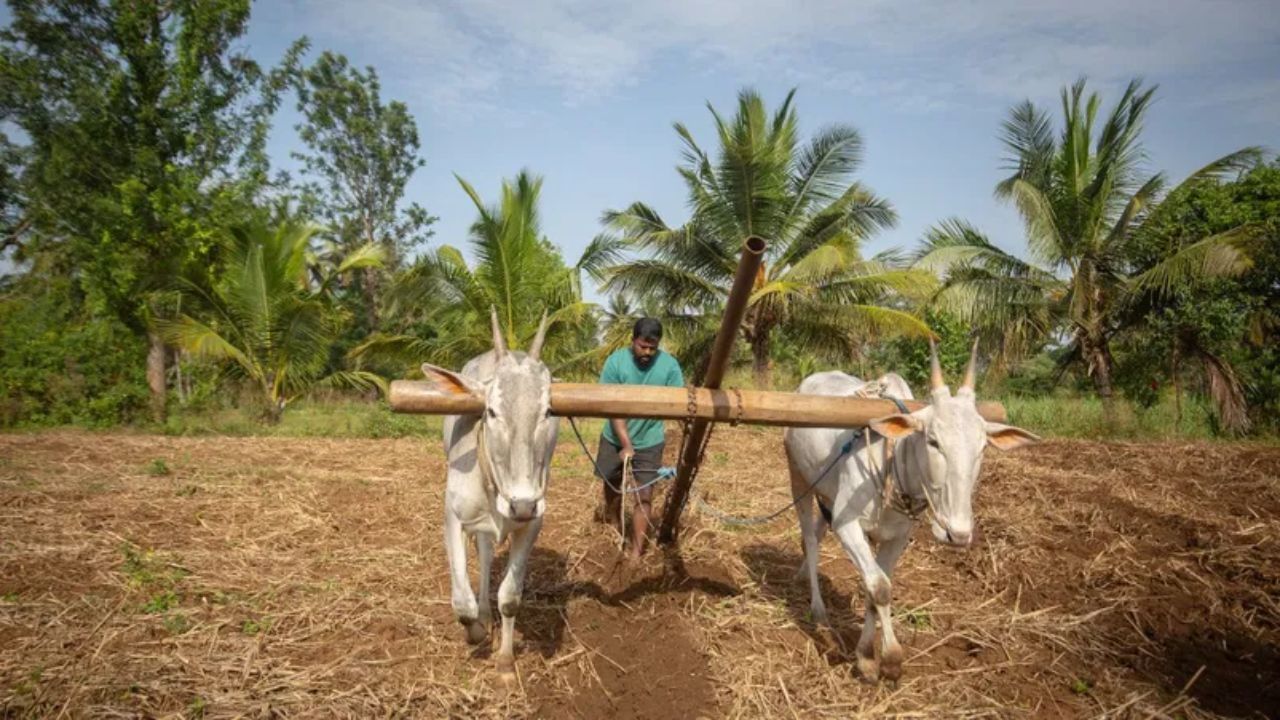
Millets, celebrated as ‘Shree Anna,’ are a group of small-grained cereals prized for their remarkable nutritional value and resilience. The United Nations designated 2023 as the ‘International Year of Millets,’ acknowledging the grain’s significance in ensuring food and nutritional security.
Millets are packed with protein, vitamins, and minerals, and are naturally gluten-free. They also have a low glycemic index, making them a suitable dietary option for individuals with diabetes and celiac disease.
India currently stands as the world’s largest millet producer, contributing 38.4% to the worldwide grain output. Due to its low cultivation costs and ability to endure climate variations, millets form a vital component of the country’s food reserves, rendering them a sustainable choice for farmers.
By July 2025, India successfully achieved a total millet production of 18.015 million tons in the 2024-25 period, reflecting an increase of 443,000 tons compared to the previous year. This continuous growth underlines the nation’s concerted efforts to foster millet cultivation across diverse agro-climatic regions.
The government has consistently bolstered budgetary and policy frameworks to bolster millet production. Support is available across all domains of production, export, and research. The National Food Security and Nutrition Mission aids millet cultivation. Within the National Food Security Mission, the Department of Agriculture and Farmers Welfare operates a sub-mission focused on nutritious cereals, which encompasses jowar, bajra, ragi-mandua, along with smaller millets like kutki, kodo, sava-jhangora, and kangni-kakun. This initiative extends its reach across 28 states and 2 union territories.
States can also leverage the Pradhan Mantri Krishi Vikas Yojana based on their specific needs and priorities to enhance millet production. Furthermore, the Nutritious Cereals Sub-Mission provides assistance to farmers. This scheme is implemented via states and union territories. In addition, the Pradhan Mantri Formalisation of Micro Food Processing Enterprises (PM-FME) scheme provides targeted support, including micro food processing units related to millet-based products, and has been allocated Rs 2,000 crore for the 2025-26 fiscal year.
The government also introduced production-linked incentive schemes tailored to millet-based products. These initiatives aim to encourage the utilization of millets in branded ready-to-eat (RTE) and ready-to-cook (RTC) products. Through these schemes, the government seeks to incentivize value addition by supporting the production of millet-based food products for both domestic and international markets, with the objective of connecting millet producers with food processors by amplifying the demand for grain production. India’s millet production reached 18.015 million tons in 2024-25, an increase of 443,000 tons compared to the previous year. Rajasthan is the leading state in millet production.