

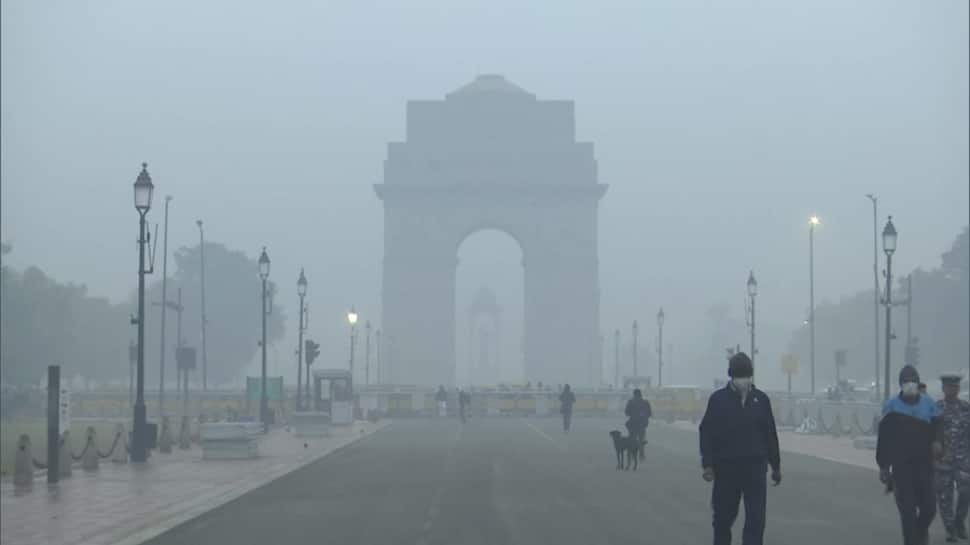
An unseasonably early cold has settled over Delhi-NCR, making residents feel the chill much sooner than expected this October. This comes on the heels of the season’s first snowfall observed in Bhaderwah, Jammu and Kashmir, along with several high-altitude locations. The India Meteorological Department (IMD) has issued a bulletin suggesting a strong possibility of La Niña developing in the coming months.
According to projections from climate models, including the Monsoon Mission Climate Forecast System (MMCFS), there’s a greater than 50% chance of La Niña conditions emerging between October and December 2025. Experts highlight that La Niña typically correlates with colder winters across India. While the nuances of climate change are always a factor, the general impact of La Niña is a more pronounced drop in winter temperatures. This forecast implies that the nation should anticipate a colder-than-usual winter season, especially in the later months.
La Niña is a natural climatic phenomenon, representing a cooler phase of the El Niño-Southern Oscillation (ENSO) cycle. This cycle, which includes its warmer counterpart El Niño, repeats every two to seven years. Current assessments indicate that La Niña conditions are already in place and are forecasted to continue until early 2026. The National Weather Service’s Climate Prediction Center anticipates a possible return to ENSO-neutral conditions in the spring of 2026.
In Jammu and Kashmir, the early snowfall has created picturesque scenes, drawing tourists to places like Bhaderwah. However, the severe weather has also caused transportation issues, leading to the closure of vital routes such as the Srinagar-Jammu highway and the Mughal road.