

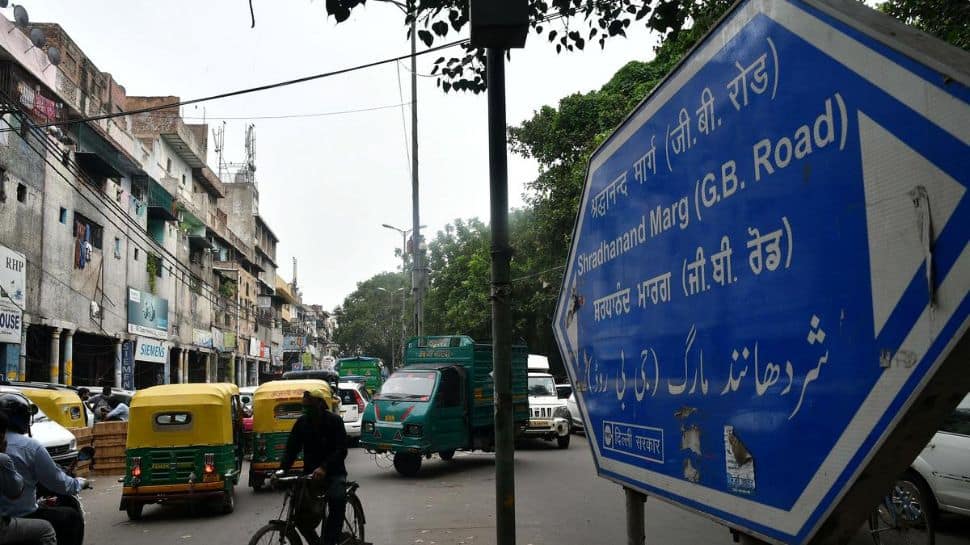
Delving beneath the notorious reputation of Delhi’s GB Road reveals a history steeped in intrigue and tragedy, stretching back to the Mughal Empire. While today it is widely recognized as the city’s primary red-light district, housing hundreds of women in the chambers above its shops, its origins tell a different tale. This street, officially named Garstin Bastion Road and now Shraddhanand Marg, was once a thriving hardware market.
During the opulent Mughal era, GB Road became a refuge for women who had served in the royal harem. These women, often discarded after their prime or falling out of imperial favor, found themselves with no other recourse than to seek shelter on this particular street. It evolved into a place of last resort for those once close to the seat of power.
The British administration later played a pivotal role in shaping GB Road’s modern identity. Recognizing the existence of scattered red-light zones across Delhi, officials made a strategic decision to centralize these activities in one location. This consolidation marked a turning point, transforming GB Road into the infamous area it is known as today, a place shrouded in secrecy and societal judgment.
Located strategically between Ajmeri Gate and Lahori Gate, near the New Delhi Railway Station, the street remains a lively commercial zone at its ground level, buzzing with hardware and electrical goods vendors. Yet, the upper floors whisper stories of lives lived through epochs, a testament to the enduring human spirit. GB Road serves as a poignant historical marker, illustrating how Delhi’s oldest thoroughfares often conceal profound narratives of displacement, survival, and the echoes of forgotten eras.