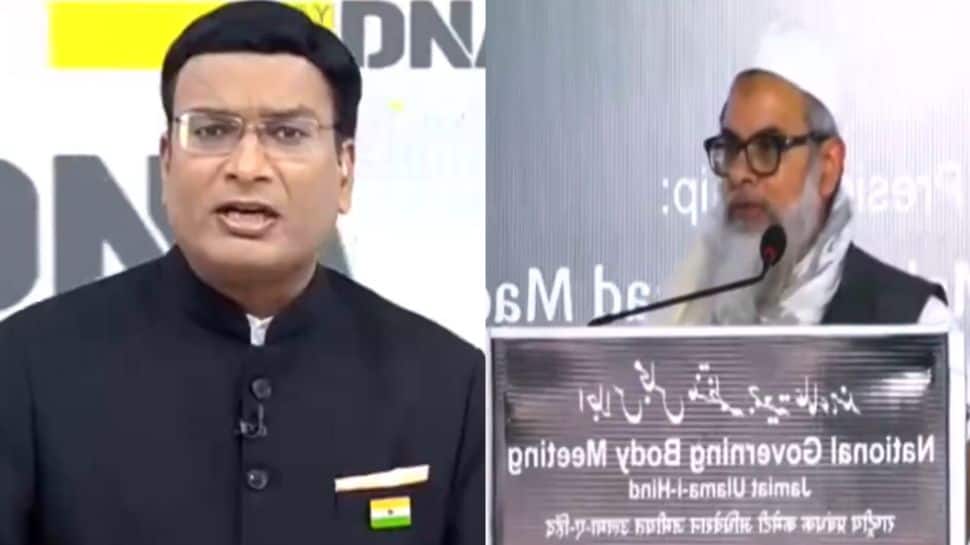
A heated national debate has been sparked by the latest statements from Maulana Mahmood Madani, head of Jamiat Ulama-e-Hind. His remarks concerning ‘jihad’, the national song ‘Vande Mataram’, and even India’s highest court have drawn sharp criticism and widespread condemnation. This has led to significant apprehension regarding the potential impact on inter-community relations. Observers noted that attendees reportedly applauded Madani’s controversial comments, raising concerns about potential supporter mobilization. The term ‘jihad’, while often understood as an internal spiritual struggle, has historically been invoked in contexts of military campaigns. Early Islamic invasions of India, such as the 712 AD Sindh campaign by Muhammad bin Qasim, are documented as having been framed as ‘jihad’. Subsequent historical figures like Mahmud of Ghazni, Muhammad Ghori, and Alauddin Khilji are also linked to invasions and conquests described with the term ‘jihad’, including the looting of temples like Somnath and actions leading to significant casualties. In contemporary times, ‘jihad’ has been cited in relation to Pakistan’s past wars with India and by terrorist groups operating in regions like Jammu and Kashmir, including the claimed responsibility for the 26/11 Mumbai attacks by Lashkar-e-Taiba. In addition to these points, Madani is also reported to have expressed disagreement with various Supreme Court judgments and advised Muslims against singing ‘Vande Mataram’.
Controversy Erupts Over Madani’s ‘Jihad’ and Vande Mataram Comments
 By The Chhattisgarh2 Mins Read