

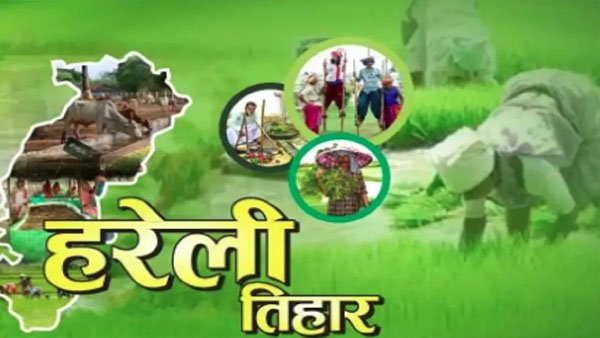
Hareli, the first traditional folk festival of Chhattisgarh, is a vibrant celebration deeply rooted in the state’s agricultural heritage. Celebrated on the Amavasya of the Shravan month, it marks the commencement of the sowing season and is a testament to the strong connection between the people and their land. The festival, observed primarily by farmers, honors the agricultural tools and nature that sustain their livelihoods.
Hareli is a time for recognizing the symbiotic relationship between humans and the environment. Farmers clean and worship their tools, including plows, hoes, and spades, as a gesture of gratitude. The festival also involves the worship of family deities and the preparation of traditional foods. Women make ‘cheela’ from rice flour. Children enjoy playing ‘Gendi,’ a game of walking and competing on bamboo stilts, adding a playful aspect to the celebrations.
The significance of Hareli extends beyond the agricultural practices. The festival is believed to ward off negativity and protect the community. Neem leaves are hung on doorways as a protective measure, and blacksmiths offer blessings. Competitions such as coconut throwing add to the festivities. Hareli is an amalgamation of spiritual practices, agricultural rituals, and community bonding, reflecting the cultural ethos of Chhattisgarh.