

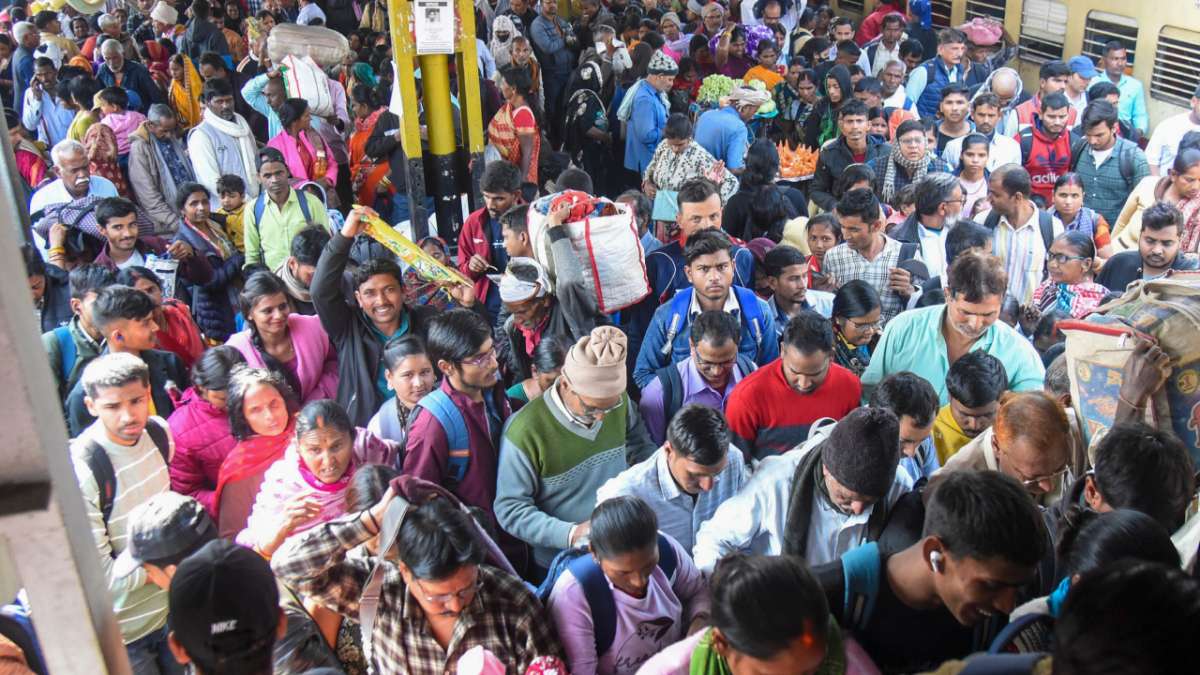
India is gearing up for its most technologically advanced population count with the Census 2027. As part of the preparations, a nationwide pre-test for the Houselisting and Housing Census is currently underway from November 10 to 30, 2025. This crucial trial run aims to ensure the smooth operation of systems and processes before the full-scale enumeration begins.
Significantly, citizens will have the opportunity to participate digitally through a self-enumeration window from November 1 to 7, 2025. This marks a pivotal moment as India prepares for its first-ever digital census. The Ministry of Home Affairs has activated relevant sections of the Census Act, 1948, to support this preparatory phase.
The main Census 2027 is structured in two phases: Houselisting and Housing Schedule (HLO) starting April 1, 2026, and Population Enumeration (PE) scheduled from April 1, 2026, to February 28, 2027. The pre-test is designed to rigorously assess all aspects, including the mobile application, data collection tools, training materials, and the overall efficiency of the digital infrastructure. Insights gained will be used to refine the process.
Furthermore, Census 2027 will notably include the enumeration of caste data nationwide for the first time, promising richer insights. Phase 1 of the census will capture details on housing and amenities, while Phase 2 will collect comprehensive demographic, socio-economic, and cultural data. The Population Enumeration will officially begin on February 1, 2027, with March 1, 2027, as the reference date for most of the country.
An enormous workforce of over 34 lakh enumerators and supervisors, alongside 1.3 lakh Census officials, will be deployed. This extensive operation is the sixteenth Census of India and the eighth post-independence. The anticipation for this Census is high, especially as it updates data that was last collected in 2011 and delayed in 2021 due to the pandemic. The forthcoming Census promises a detailed and modern snapshot of India’s population, crucial for future planning.