

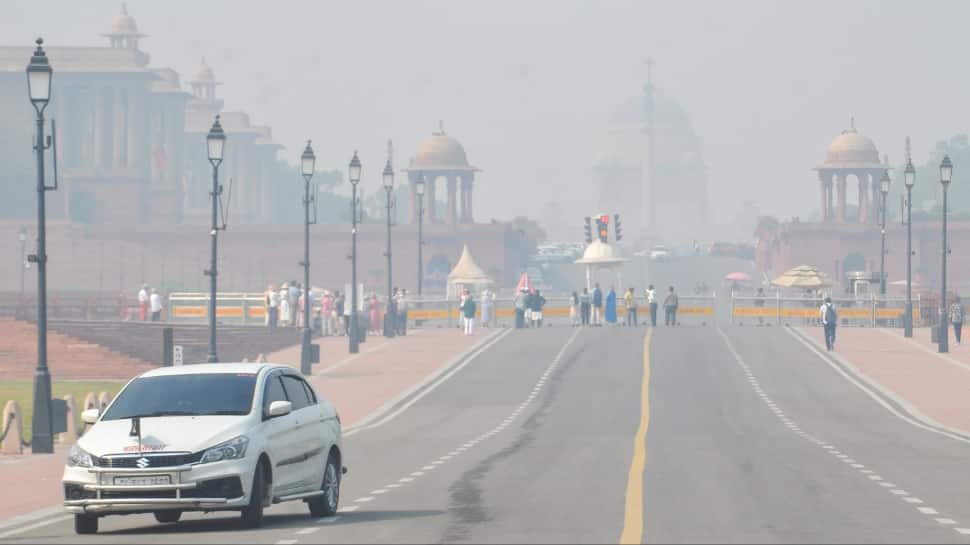
A thick, toxic haze has enveloped Delhi, pushing its Air Quality Index (AQI) past the ‘severe’ threshold for the first time this season. On Tuesday, the AQI recorded a concerning 428, the highest since late last year, leaving citizens to battle acute respiratory issues and stinging eyes. The drastic decline in air quality has prompted swift action from authorities, who have officially invoked the Graded Response Action Plan (GRAP) Stage III across the National Capital Region (NCR).
The 24-hour average AQI, as reported by the Central Pollution Control Board (CPCB), signifies a critical environmental emergency. The Commission for Air Quality Management (CAQM) has responded by implementing Stage III of GRAP, a set of emergency measures designed to halt the escalating pollution crisis.
Key interventions under GRAP Stage III include a complete halt on all non-essential construction and demolition work across Delhi-NCR. Stricter vehicular regulations are also in force, prohibiting the use of BS-III petrol and BS-IV diesel four-wheelers within Delhi and nearby NCR districts. In a bid to safeguard the youngest populations, primary schools (up to Class V) have been instructed to adopt hybrid learning models, moving away from physical classes.
Experts attribute this severe air pollution event to adverse weather patterns. A combination of falling temperatures and stagnant winds created an atmospheric inversion, trapping a dense layer of pollutants near the surface and significantly reducing visibility to just 600 meters. While a marginal improvement in wind speed is forecast for Wednesday, potentially shifting the AQI to ‘very poor’, the outlook suggests this level of poor air quality will persist until at least Friday. The ongoing crisis underscores the urgency of comprehensive, multi-faceted strategies to combat emissions from various sources, including industrial activity and agricultural practices like stubble burning.