

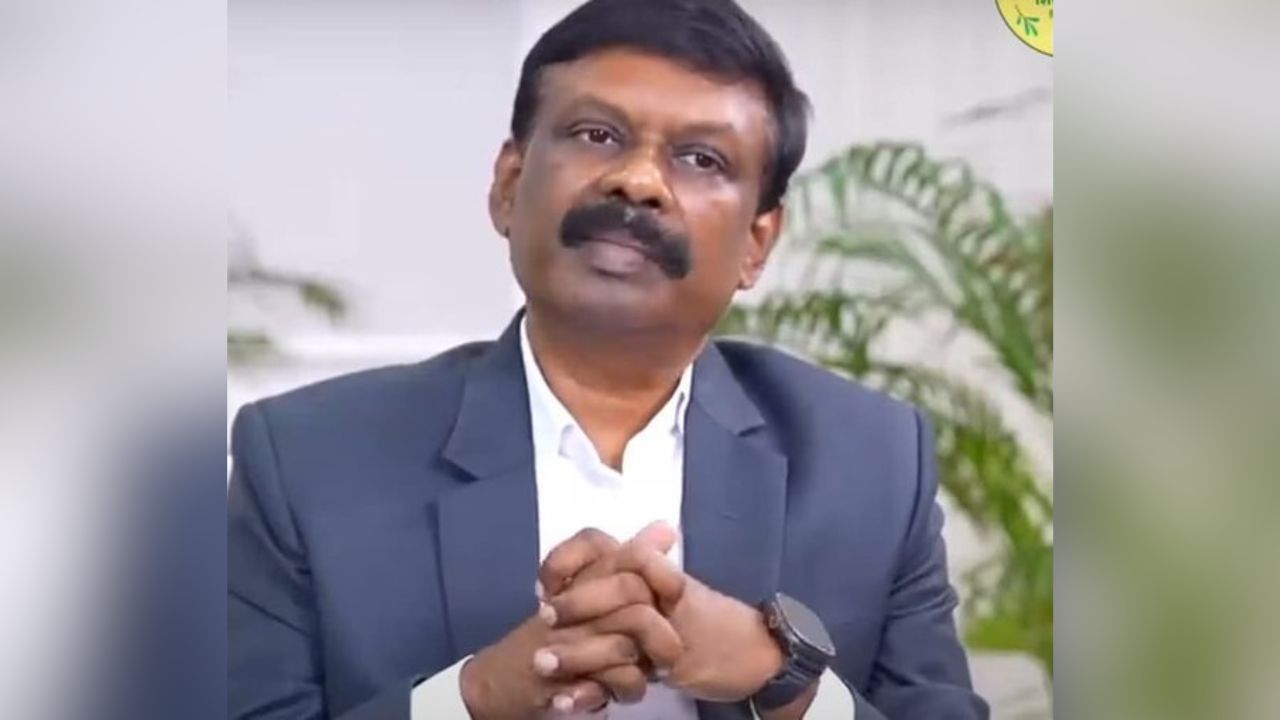
The Bihar government has initiated a series of transfers, impacting several senior IAS officers. Dr. S. Siddharth, who previously served as the Principal Secretary to Chief Minister Nitish Kumar, has been appointed as the Development Commissioner of Bihar. Simultaneously, Dr. Siddharth’s additional role as ACS of the Education Department has been reassigned.
The charge of ACS of the Education Department now falls under Dr. B. Rajendra, the ACS of the General Administration Department. In addition to this change, Harjot Kaur, previously ACS of the Environment, Forest, and Climate Change Department, has been appointed as the Chairman-cum-Member of the Revenue Council. Also, Arvind Kumar Chaudhary, ACS of the Home Department, gains the additional responsibility of Additional Chief Secretary of the Cabinet Secretariat.
Furthermore, Anand Kishore, who heads the Bihar School Examination Board, will now also manage the additional duties of Principal Secretary for the Environment, Forest, and Climate Change Department.
Dr. S. Siddharth, a 1991-batch IAS officer, previously managed the Education Department, the Cabinet Department, and served as Principal Secretary to the Chief Minister. B. Rajendra, a 1995-batch officer, will now oversee the Education Department in his new role as Additional Chief Secretary. It’s also important to note that Pratyay Amrit, the current Development Commissioner, will assume the role of Chief Secretary of the state from September 1.
Dr. S. Siddharth has been appointed as the Development Commissioner of Bihar. The reasons behind the reassignment of his Education Department responsibilities are a subject of discussion within administrative circles. During his tenure, Dr. Siddharth introduced several significant improvements to the Education Department, including model schools, teacher training, and online complaint resolution. However, his policies, particularly those relating to teacher transfers and service conditions, also garnered criticism.
Dr. S. Siddharth’s unannounced inspections and sudden video calls to school principals were a common occurrence. During these calls, he would review classrooms and the mid-day meal programs. This strict approach created an atmosphere of vigilance among school staff, ensuring punctuality and preparedness, with teachers and principals anticipating his visits.