

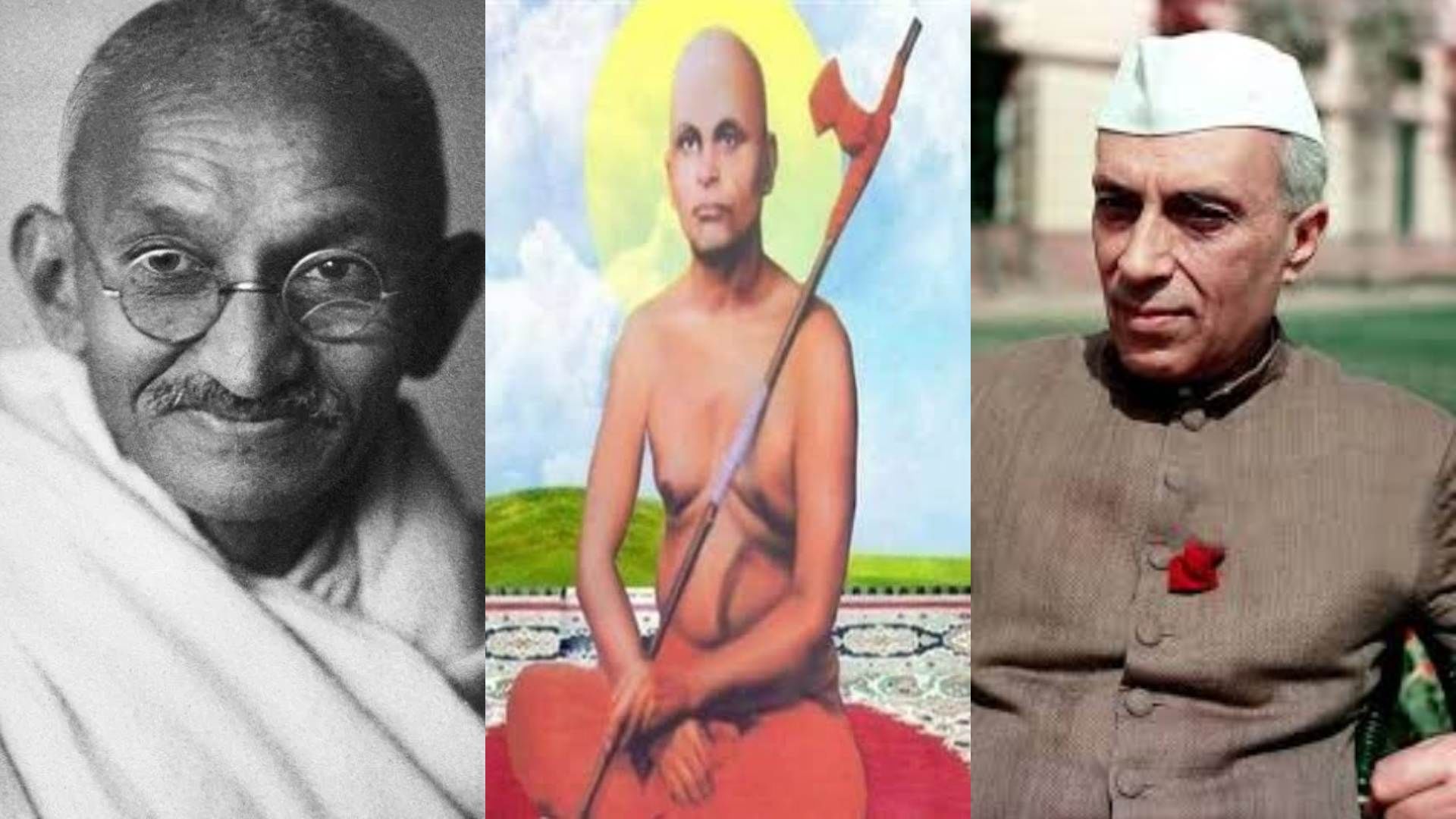
Swami Sahajanand Saraswati, known as the ‘God of Farmers,’ was a pivotal figure in the Indian independence movement and the fight for agrarian rights. Born in Deva village, Ghazipur, Uttar Pradesh, his work primarily focused on Bihar, where he became synonymous with the farmers’ struggle. His death anniversary is observed annually, with numerous events held in Ghazipur and other areas, celebrating his life and legacy. He is also remembered for his association with prominent leaders like Jawaharlal Nehru, to whom he imparted the wisdom of the Gita, and Subhas Chandra Bose.
He spearheaded the farmers’ movement in Bihar, making him a revered figure among the state’s agricultural community. Swami Sahajanand Saraswati devoted his life to the welfare of farmers, passing away on June 26, 1950, in Bihta, Bihar. The day is marked by solemn remembrance by those associated with the farmers’ movement. Events are organized in his birthplace, Ghazipur, and other locations to honor his memory.
Swami Sahajanand Saraswati’s early life began in Ghazipur. His childhood name was Nairang Rai, but his heart was always inclined towards spirituality. After the death of his wife before he could start his household life, he became a sanyasi and adopted the name Swami Sahajanand Saraswati after taking the Dashanami Diksha.
He gave the slogan ‘Kaise loge malguzari, lath hamara zindabad’ to the farmers of Bihar which became very popular during the farmers’ movement. He met Mahatma Gandhi on December 5, 1920 and joined the Congress.
Swami Sahajanand actively participated in the freedom struggle, channeling his efforts through Bihar at the behest of Mahatma Gandhi. He was incarcerated in various locations, including Ghazipur, Varanasi, Azamgarh, Faizabad, Lucknow, Patna’s Bankipur jail and Hazaribagh Central Jail. However, during his imprisonment, he diverged from Gandhi’s approach due to perceived leniency towards landlords, ultimately leading to his separation from the Mahatma. He then dedicated his life to the cause of the farmers.