

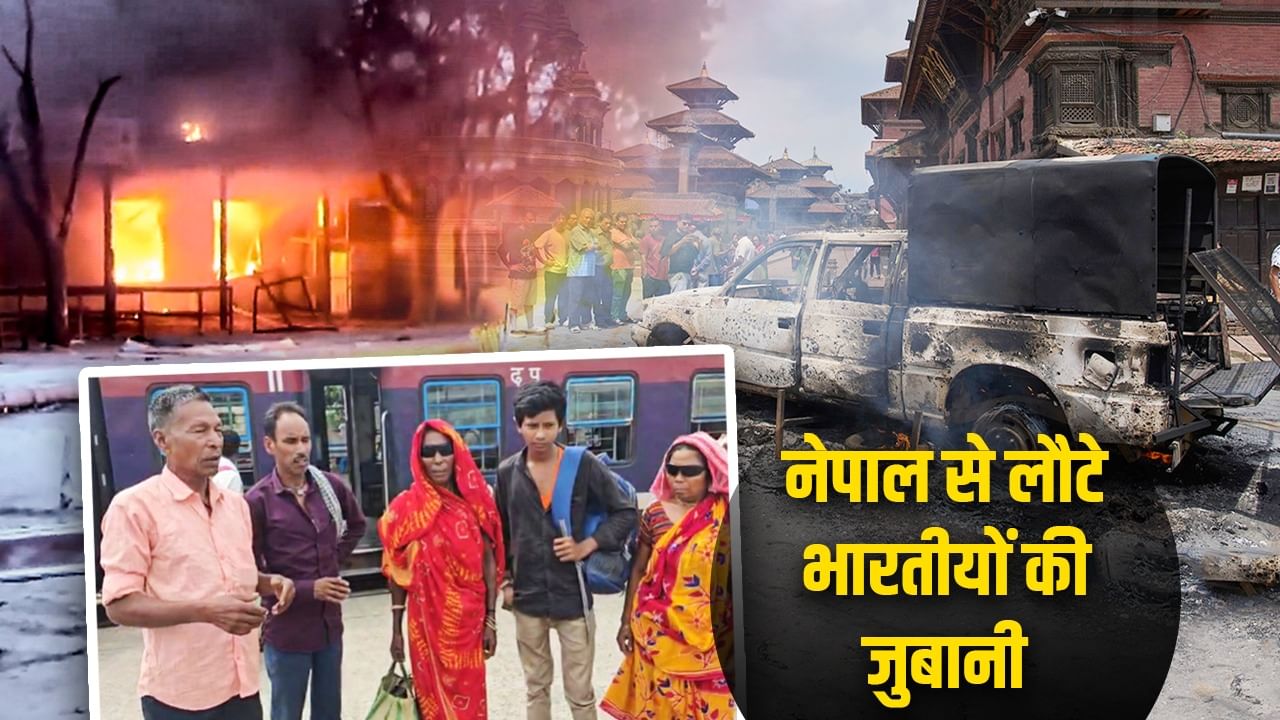
The political situation in Nepal is highly volatile, marked by significant unrest following a recent coup. This led to the resignations of Prime Minister KP Sharma Oli and President Ramchandra Paudel. Protests erupted across the country, with young people targeting government buildings and the residences of political figures, including attacks on prominent leaders like Sher Bahadur Deuba. The turmoil left many Indian citizens stranded. However, several individuals successfully returned to India, many of whom sought medical care in Nepal.
Returning patients from Katihar, along with their families, recounted their experiences. Despite the violence on the streets, they reported that Indian citizens were not specifically targeted by the demonstrators. The protests were primarily focused on the government and its leaders. The Indian nationals were not disturbed, and hospitals remained safe from attacks.
Raju Das, from Katihar, explained that he visited Nepal for his relatives’ treatment. He noted that despite major demonstrations, the hospital administration prioritized the safety of patients. Indians experienced no difficulties and were able to return home after receiving care.
Sudhir Das, who had brought three patients to an eye hospital in Biratnagar, mentioned the unrest outside. They were advised by doctors to stay within the hospital. The hospital environment remained secure, allowing treatments to proceed without disruption. They were able to return to India once the conditions improved.
Nepal has gained recognition for its healthcare services, particularly in ophthalmology. The country offers cost-effective and advanced eye care, drawing patients from regions near the border. Nepal is evolving from a tourist destination into a key medical destination.