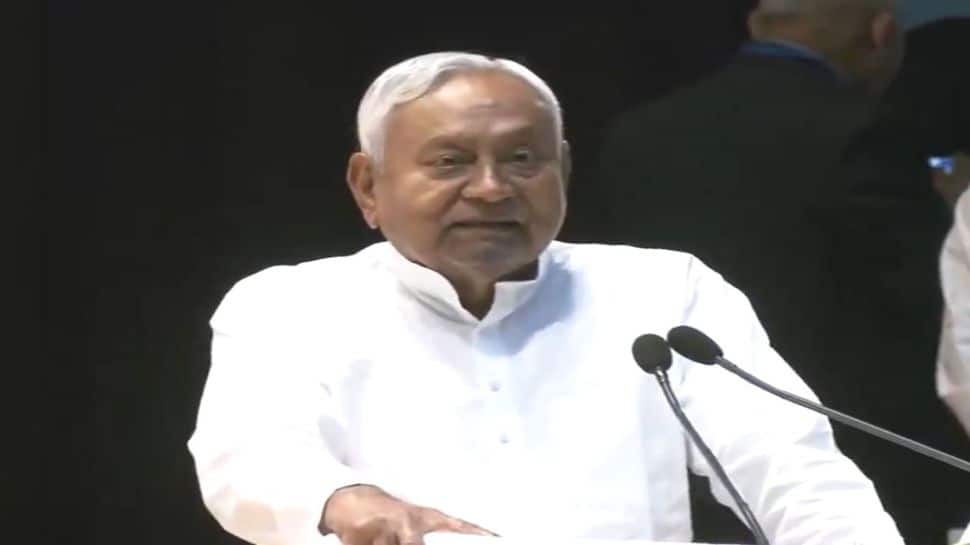
As the Bihar Assembly elections approach, the Janata Dal (United) has released its first list of 57 candidates, outlining Chief Minister Nitish Kumar’s intricate political strategy. The party will contest 101 seats in total, and this initial selection heavily emphasizes Nitish’s established ‘Love-Kush’ voter base, comprising the Kushwaha and Kurmi communities, which form nearly 40 percent of the nominated candidates. This focus aims to fortify his political stronghold and counter potential challenges. The JD(U) has also strategically nominated 13 candidates from upper-caste Hindu communities, historically aligned with the BJP, signaling a bid to capture a segment of their vote. Furthermore, efforts have been made to appeal to Dalits and Extremely Backward Castes (EBCs), with 12 Dalit nominees and representation for Vaishyas and Mallahs, intended to build an alternative to the RJD’s traditional OBC support. A significant departure this election is the complete omission of Muslim candidates from the JD(U)’s initial list, a decision perceived as an acknowledgment of predictable voting patterns. The list’s composition, along with reported internal dissent over dropped candidates, suggests a complex internal dynamic and the ongoing challenge of balancing diverse political interests within the NDA.
Bihar Elections: JD(U) List Reveals Caste Calculus & Alliance Dynamics
 By The Chhattisgarh1 Min Read