

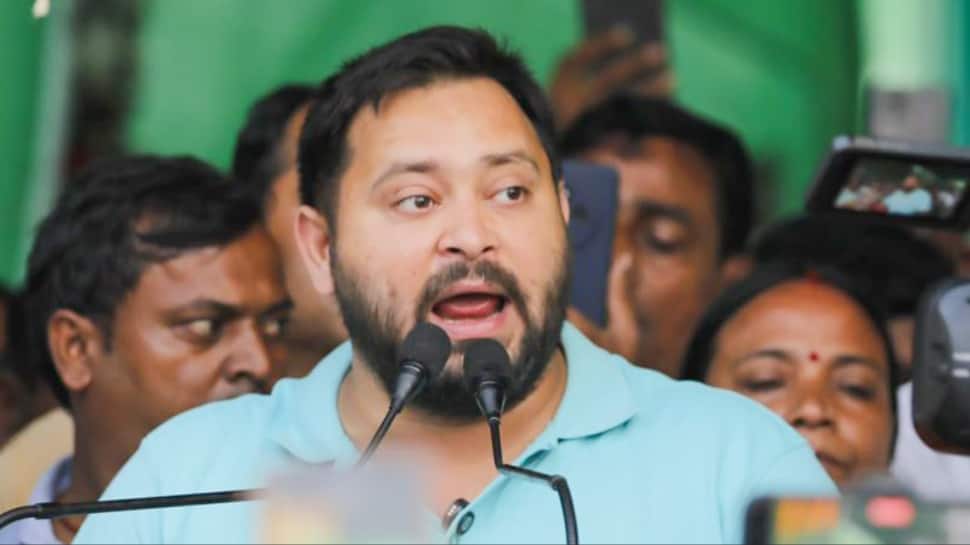
Bihar’s 2025 election results delivered a resounding defeat to Tejashwi Yadav and the Mahagathbandhan. By mid-morning on November 14th, projections indicated the NDA securing a substantial majority with over 185 seats, while the RJD-led alliance was confined to approximately 54 seats. This outcome suggests a broad rejection of the opposition’s campaign and its underlying strategies.
Several key strategic errors contributed to this significant electoral setback:
**Caste-Centric Candidate Selection:** The RJD’s decision to field 52 Yadav candidates, a significant increase from previous elections, proved to be a miscalculation. This strong focus on consolidating the Yadav vote bank, constituting 14% of the state’s population, unfortunately reinforced an image of ‘Yadav dominance.’ This alienated crucial non-Yadav voter segments, including upper castes and Extremely Backward Classes (EBCs), who largely supported the NDA. The BJP successfully leveraged this by highlighting the potential for a return to ‘Yadav Raj.’
**Weak Alliance Management:** Tejashwi Yadav’s leadership style appeared to be RJD-centric, failing to adequately empower coalition partners like the Congress and Left parties. Disagreements over seat-sharing and an apparent lack of respect for allies undermined the coalition’s unity and hindered effective vote transfers. The alliance’s manifesto was even promoted as ‘Tejashwi’s Pledge,’ and allied leaders received diminished visibility in campaign materials.
**Unsubstantiated Populist Promises:** The Mahagathbandhan’s campaign was characterized by ambitious populist promises, including job guarantees and expanded social welfare schemes. However, a critical lack of detailed plans for their implementation and funding led to skepticism among voters. The repeated postponement of the promised job creation blueprint suggested a lack of seriousness, diminishing the credibility of these pledges.
**The ‘Muslim Appeasement’ Narrative:** The opposition alliance struggled against a perception of prioritizing Muslim interests. While potentially securing votes in specific pockets, this narrative generated a backlash among other communities and was effectively used by the BJP to polarize the electorate. Old statements by Lalu Prasad Yadav concerning the Waqf Bill were revived, further fueling division.
**Ambiguous Stance on Lalu Prasad Yadav’s Legacy:** Tejashwi Yadav attempted a difficult balancing act, aiming to inherit his father’s social justice legacy while distancing the RJD from the controversial ‘Jungle Raj’ era. This dual approach, marked by selectively featuring Lalu’s image on campaign materials, was exploited by the NDA. Prime Minister Modi directly addressed this, suggesting Tejashwi was ashamed of his father’s past, undermining any perceived generational transition.