

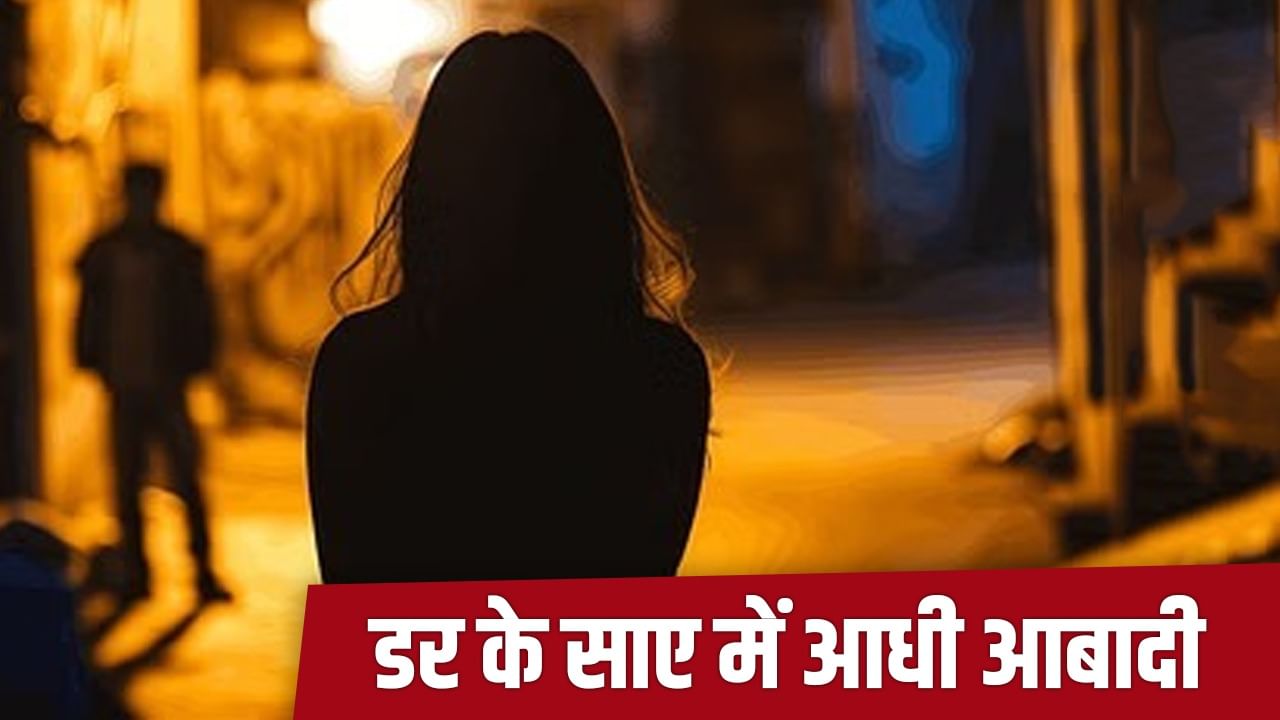
The ‘NARI 2025’ report paints a stark picture of women’s safety in India, revealing that a significant percentage of women feel unsafe in their own cities. The report’s findings are particularly concerning, given the backdrop of increased awareness of incidents affecting women’s safety. A concerning 40% of women in urban areas do not feel safe, highlighting the pervasive nature of this issue.
The research, which involved 12,770 women from 31 cities across India, offers a comprehensive view of the challenges women face. Cities such as Ranchi, Srinagar, Kolkata, Delhi, Faridabad, Patna, and Jaipur have been identified as among the least safe for women. These urban centers show a significant level of perceived unsafety among women, with Delhi and Faridabad having approximately 42% of women reporting feelings of insecurity, and Ranchi even higher at 44%.
In contrast, the report highlights Kohima as the safest city for women, where over 80% report feeling safe. Other relatively safe cities include Visakhapatnam, Bhubaneswar, Aizawl, Gangtok, Itanagar, and Mumbai, with around 70% of women reporting feeling safe.
The report also sheds light on the prevalence of harassment and the societal factors that contribute to women’s feelings of unsafety. Street harassment, including staring, stalking, and inappropriate comments, is a common experience, often leading to distress and impacting women’s educational and professional lives. Alarmingly, 7% of women reported experiencing harassment in 2024, with young women aged 18-24 being the most vulnerable.
Furthermore, the report reveals that many women do not report incidents of harassment due to fear of further victimization or societal stigma. This underreporting is a major concern, with only a fraction of incidents being brought to the attention of authorities and even fewer resulting in action. In the workplace, the issue of sexual harassment persists, and many women are unaware of the protective measures available to them. The ‘NARI 2025’ report aims to provide a data-driven basis for addressing these issues and creating safer environments for women across India.