

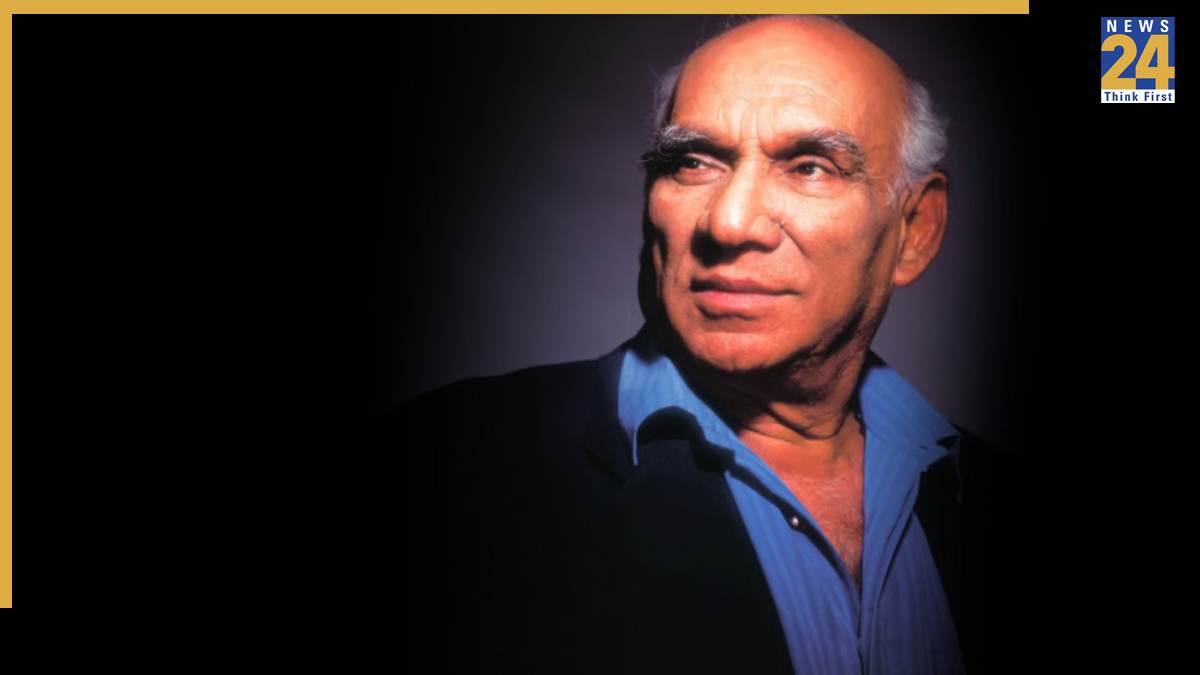
Yash Chopra’s impact on Indian cinema is undeniable, a legacy that cements his status as one of the industry’s true giants. He stands out as a filmmaker who achieved success across all decades since the Partition, marking him as a unique force in the landscape of Indian films. The collaborative work of Yash Chopra and his elder brother, B.R. Chopra, truly defined the most influential family in Indian cinema.
Yash Chopra initiated his journey as an assistant director and later ascended to the director’s chair within his elder brother’s production house. In 1973, he established his own production company, Yashraj Films, marking his independent path with the hit film *Daag*. His debut film, *Dhool Ka Phool*, released in 1959, reflected more of his elder brother’s cinematic vision.
Chopra, with a focus on entertainment, nevertheless explored social issues. His second film, *Dharmputra*, which addressed Hindu-Muslim relations, sparked controversy and was pulled from theaters. *Waqt*, released in 1965, marked a pivotal moment, establishing his signature style with its sophisticated aesthetics. The film popularized a lavish lifestyle that became synonymous with Chopra’s work. Through his films, audiences were introduced to an elevated lifestyle. Every leading lady in his movies, from Sadhana to Karisma Kapoor, was brought to life anew by starring in his movies.
Chopra’s approach highlighted the beauty of women. His movies, such as *Aadmi Aur Insaan*, exhibited a preference for elegant living. *Daag* was considered a more controversial film than even *Lamhe*. *Deewaar* in 1975, a box office hit, strengthened Amitabh Bachchan’s stardom. Chopra and Bachchan then reunited for the romantic *Kabhi Kabhie*. Further, *Trishul*, released in 1978, was a better-scripted film.
While the 1980s witnessed periods of less commercial success, *Chandni* in 1989 revitalized his career, and *Lamhe* was released in 1991. *Darr*, released later, turned Shah Rukh Khan into a star. In 1995, his son’s film *Dilwale Dulhaniya Le Jayenge* was a financial success. His later movies continued to explore themes of love and romance.