

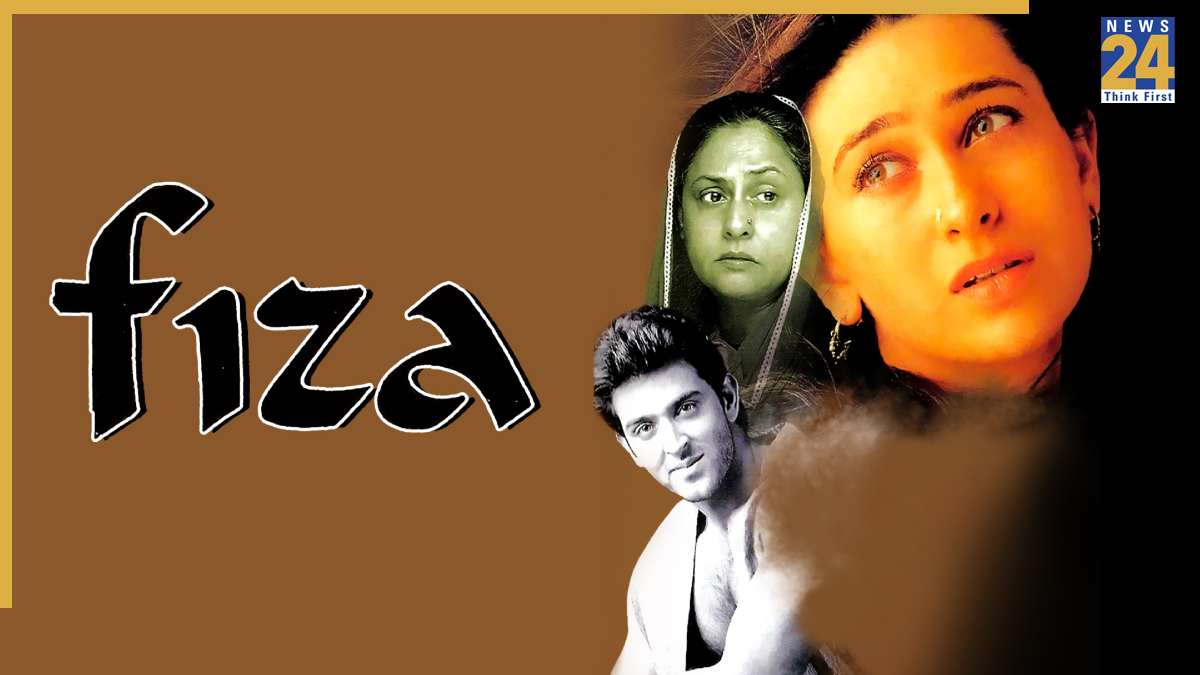
As the film Fiza marks its 25th anniversary, director Khalid Mohamed provides insights into the film’s creation, thematic depth, and enduring relevance. He recounts the challenges of managing a celebrated cast, tackling delicate socio-political issues, and his sources of inspiration. This retrospective highlights Fiza as a film that continues to captivate and resonate with audiences long after its initial release.
Mohamed expresses his satisfaction with Fiza, noting its cinematic and thematic achievements, especially in its exploration of the aftermath of the 1992-93 riots. He emphasizes the importance of the film’s secular message, conveyed through the qawwali ‘Piya Haji Ali,’ composed by A. R. Rahman, and its commentary on the political interests behind community divisions. He credits Costa-Gavras for his filmmaking style and pacing, and the editing by Sreekar Prasad, cinematography by Santosh Sivan, and background music by Ranjit Barot for contributing to the film’s success.
Despite critical reviews, Mohamed highlights Fiza’s financial success, made on a budget of Rs 7 crore, it earned over Rs 32 crore. He notes that his work on films like Mammo and Zubeidaa, along with Fiza, has defined his career. He mentions how Costa-Gavras acknowledged the importance of making films that address anti-terrorism.
Mohamed recalls the cast of the film, including Jaya Bachchan, Hrithik Roshan, Manoj Bajpayee, Karisma Kapoor, and Sushmita Sen. He explains why he chose not to include cameos from Mr. Bachchan and Shah Rukh Khan. He praises the performances of Hrithik Roshan as Amaan and Karisma Kapoor. He also shares anecdotes about the cast’s dedication and the challenges of directing them, particularly during the shooting of the song ‘Mast Mahaul’. Nadira Zaheer Babbar politely refused a part, which was later played by Asha Sachdev and Pradeep Guha suggested Akshay Kumar for a role, which did not happen.
Mohamed discusses how he collaborated with the cast. He mentions how he remained calm throughout the production. He states that he felt ‘torn apart’ with the rise of segregation and non-inclusivity. He also reflects on why he has withdrawn from the film world, citing his interest in other creative endeavors such as writing books and directing plays.