

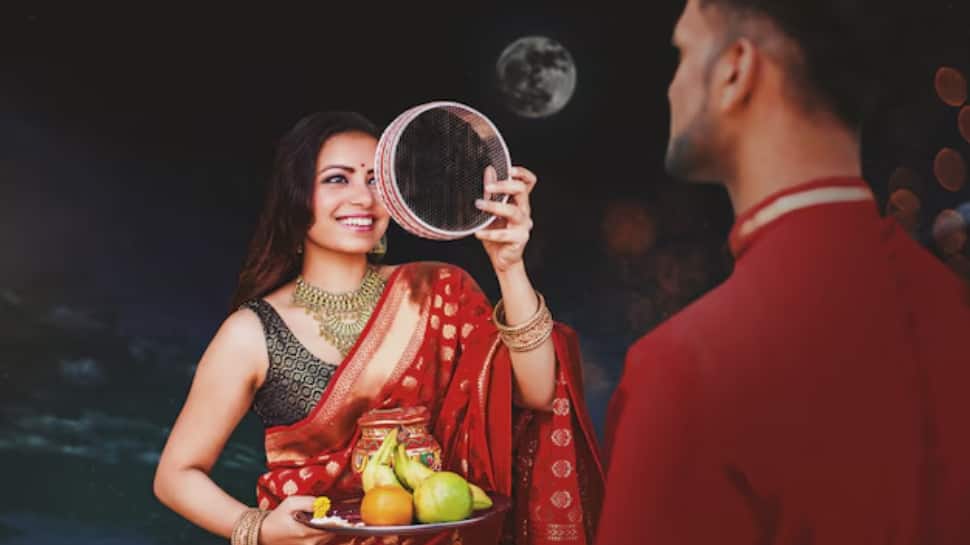
The spirit of Karwa Chauth is evolving in 2025, with modern couples transforming the traditional fast into a powerful symbol of partnership, equality, and shared devotion. What was once predominantly observed by wives for their husbands’ well-being is now a celebration of mutual love and companionship, emphasizing balance and togetherness over stringent rituals.
The most significant shift is the rise of couples fasting together. This joint observance signifies mutual respect and a deep emotional bond, reflecting a contemporary understanding of love where partners support each other through shared experiences. This practice is seen as a way to foster deeper empathy and strengthen communication, making Karwa Chauth a truly collaborative celebration.
Wellness is taking center stage with a health-conscious approach to the pre-dawn ‘sargi’. Couples are opting for nutritious meals filled with fresh fruits, nuts, yogurt, and whole grains, designed to provide sustained energy. This mindful start to the day prioritizes well-being alongside the devotional aspect of the fast.
Technology is playing a crucial role in connecting couples, especially those in long-distance relationships. Virtual moon sightings, digital puja invitations, and video calls for breaking the fast are common. Social media enhances the festive spirit with creative content and virtual gatherings, making the celebration more inclusive.
Fashion during Karwa Chauth is becoming a canvas for self-expression. While traditional attire is cherished, there’s a growing trend towards experimenting with contemporary designs, pastel colors, and elegant fusion wear. Men are also participating more actively in styling, complementing their partners with coordinated ethnic ensembles.
Sustainability is increasingly influencing celebrations. Couples are embracing eco-friendly choices, such as using reusable thalis and opting for natural, biodegradable decorations. This mindful approach adds an ethical dimension to the festival.
The focus is also shifting towards acts of love and kindness beyond the fast itself. Partners are finding ways to show appreciation, whether through thoughtful gestures, shared activities, or dedicating the day to charitable causes, extending the spirit of devotion outward.
Breaking the fast is now a gentle, nourishing experience. Couples prefer simple, home-cooked meals that are easy on the digestive system after a day without food, prioritizing health and comfort.
In 2025, Karwa Chauth is a testament to how enduring traditions can be revitalized. Couples are infusing it with modern values like equality and shared commitment, proving that love’s celebration can be both timeless and contemporary.