

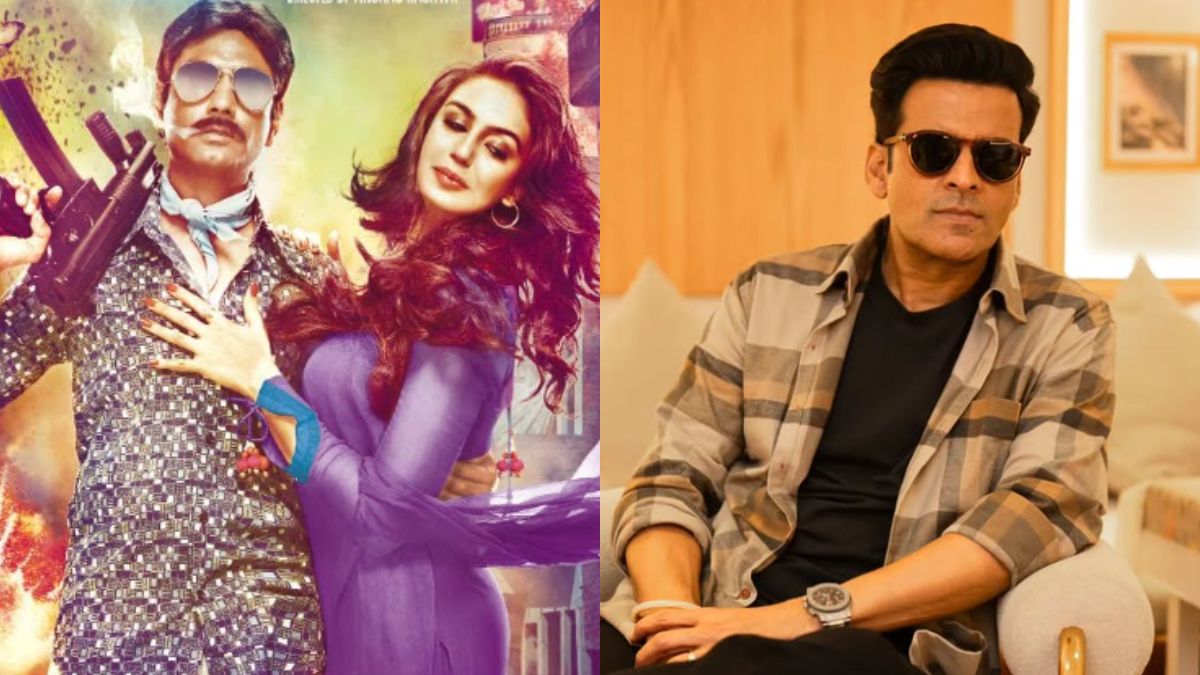
Gangs of Wasseypur Part 2, released soon after Part 1, intensified the brutality. The film, directed by Anurag Kashyap, presents a world where violence is rampant. Caught in the crossfire of vengeance and possible redemption, the characters exist on the brink.
Kashyap’s world portrays the police with a cynical edge. As an example, the director includes a wry joke just before the interval. When the protagonist Faizal carries his dead brother home, police stop him and ask him to accompany them to the station.
“Don’t you see I’m taking my brother home?’ Faizal shouts.
“We understand,” replies an officer. “Why don’t you hand over the body to us and come with us?”
This scene aligns with the common depiction of the police in Hindi cinema, frequently appearing late or at inopportune times. Kashyap injects humorous references throughout the film, creating a tribute to street violence. The gang wars are depicted in such a real way that they come across as unreal. The exaggerated violence in the film’s version of the North Indian town of Wasseypur reflects the political climate.
The violent scenes are intensified by the soundtrack from Sneha Khanwalkar, using folk songs from Bihar and the use of 1980s film songs. The characters remain rooted in the 1980s, even though the film moves into the 2000s. The film is also notable for its use of caller tunes from the 80s and 90s. Yashpal Sharma, who is a stage singer, sings a 1980s song for every occasion. The humor is often derived from the violence. The series of miscommunications among assassins is an example.
Kashyap also satirizes his own depiction of gangsterism. In one scene, an assassin seeks an address and is informed that it is in a different city before being gunned down. The film was shot in Varanasi, although the setting is Dhanbad.
Violence is a constant in the characters’ lives, presented in various forms. The film is more fast-paced and intense than Part 1. The film explores the intersection of dreams, nightmares, and reality. Nawazuddin Siddiqui is powerful as the main character, with Richa Chadda showcasing her intensity, and Huma Qureshi delivering a vibrant performance. Several other actors also delivered remarkable performances.
The characters’ emotional connections are often intertwined with the realities of mainstream cinema. Recalling the making of Gangs of Wasseypur, Manoj Bajpayee noted that the final edit revealed the film’s uniqueness. He praised his co-stars and the collaborative spirit of the project. Bajpayee shared that a misunderstanding led to a gap in his relationship with Anurag Kashyap that lasted eighteen years.