

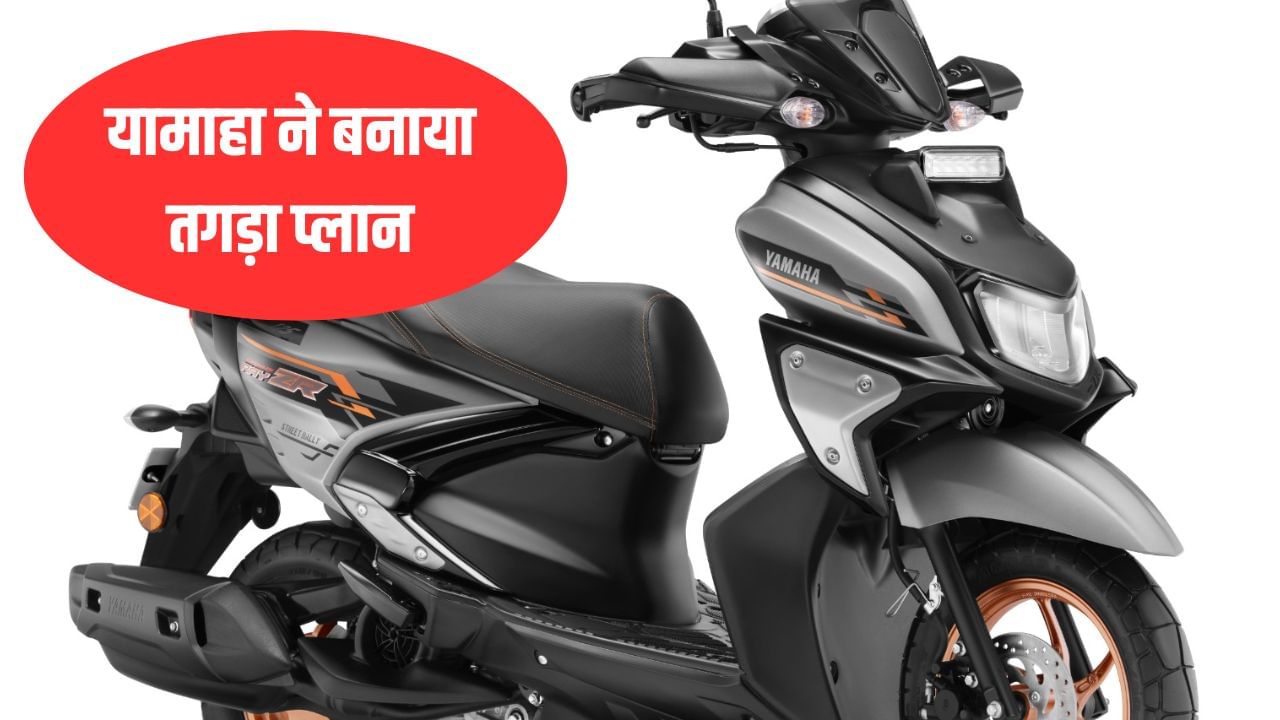
Yamaha, a prominent player in India’s premium two-wheeler market, is actively expanding its presence. The company has revealed plans to launch new electric two-wheelers, with a strategic focus on the evolving Indian market. Ravinder Singh, Senior Vice President of Yamaha Motor India Sales, highlighted the growth of the electric two-wheeler segment while acknowledging the continued importance of ICE technology for performance and premium motorcycles. Yamaha is also investing in alternative fuel technologies, such as ethanol-blended fuel.
To facilitate its EV strategy, Yamaha is developing a new EV platform in collaboration with its R&D teams in Japan and India. The company is also forging partnerships with startups, including River in India and Gogoro in Taiwan, to bolster its EV initiatives.
Yamaha currently holds a 3.4% market share in the overall Indian two-wheeler market, but it is a significant force in the premium segment. In 2024, Yamaha’s market share in this segment reached 17% nationally, marking a 20% increase from the previous year. Delhi exhibits a market share of approximately 3%, with substantial growth in premium bikes (8%) and scooters (76%).
Yamaha emphasizes the creation of stylish, sporty, and engaging motorcycles and scooters. The company consistently integrates cutting-edge technology and high-performance features. Beyond simply selling vehicles, Yamaha aims to provide a lifestyle experience tailored to the needs of digitally-inclined and experience-focused young consumers.
Yamaha’s commitment to innovation is evident in its hybrid technology, which has been incorporated into the 149cc FZ-S and FZ-X bikes. This technology, featuring a smart motor generator (SMG) and stop-start system (SSS), enhances ride quality, acceleration, and fuel efficiency. This technology has already been successfully implemented in the Fascino and RayZR 125 Fi Hybrid scooters. The R15 and MT-15 models now boast advanced features such as traction control, dual-channel ABS, assist-slipper clutch, quick shifter, and E20 fuel compatibility.