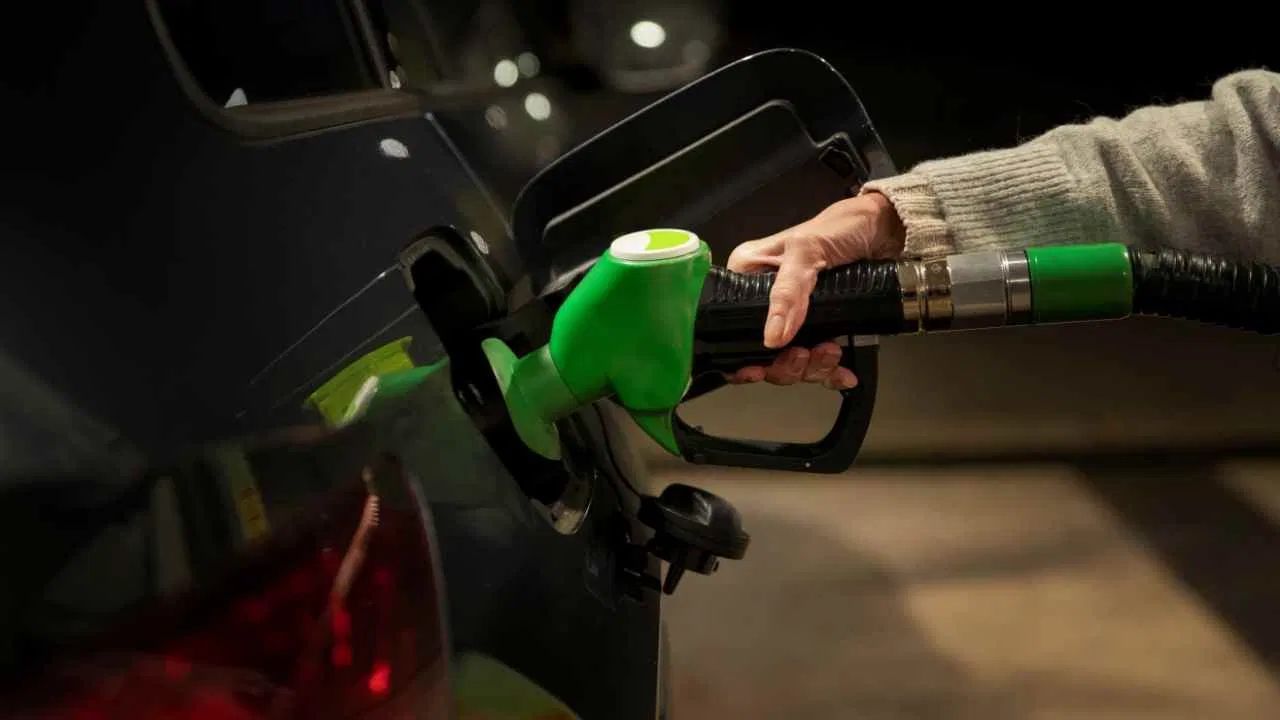
The Indian government is pushing for ethanol-blended petrol, specifically E20, to curb pollution and lessen dependence on imported fuels. Concerns have surfaced regarding the impact of E20 on vehicle mileage. An automobile engineer shared that his car’s mileage has declined significantly since using E20. This reduction has led to higher fuel expenses despite lower efficiency. The NITI Aayog’s 2021 report suggested that E20 should be priced lower than standard petrol to offset its reduced energy content. Research indicates that E20 could decrease mileage by up to 7% in four-wheelers and 4% in two-wheelers. The ARAI’s studies, conducted in 2016 and 2021, found no significant negative effects of E20 on vehicles. The Supreme Court rejected a PIL challenging the E20 policy, emphasizing the benefits to sugarcane farmers. The court’s ruling supports the continued implementation of the E20 policy, which aims to reduce energy imports, boost farmers’ income, and promote environmental sustainability. The government maintains that E20 is crucial for achieving multiple objectives, including environmental protection and economic benefits for farmers.
Supreme Court Supports E20 Fuel Policy Despite Concerns Over Mileage and Cost
 By The Chhattisgarh1 Min Read