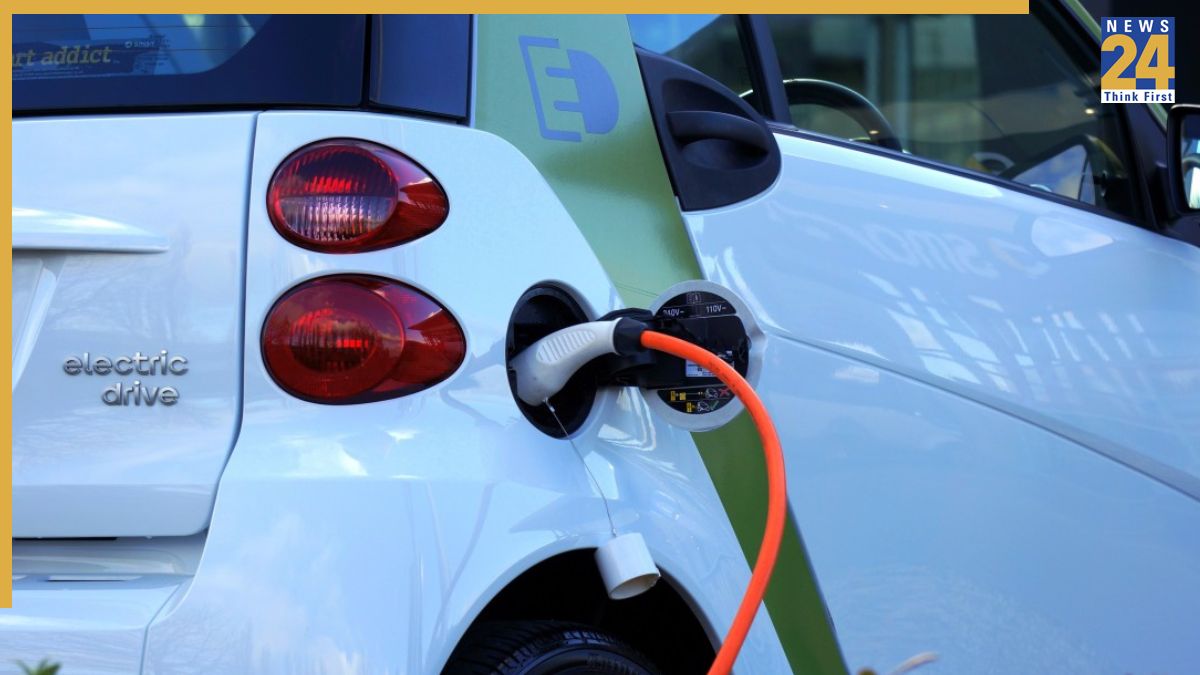
The Ministry of Heavy Industries is rolling out the PM E-DRIVE scheme, a substantial investment of Rs 10,900 crore, aimed at accelerating India’s transition to electric vehicles. Key guidelines have been released for setting up public charging stations under this initiative. A significant allocation of Rs 2,000 crore will be dedicated to establishing Electric Vehicle (EV) charging infrastructure in urban areas and along major highways. The program incorporates a tiered subsidy model, providing financial assistance that could cover up to the entire cost for specific categories, thereby stimulating rapid deployment. Hospitals, government offices, CPSE premises, and educational institutions will benefit from 100% subsidies on both infrastructure and charging equipment. Locations such as metro stations, airports, bus depots, state-run OMC fuel retail outlets, and railway stations will be eligible for a 70% subsidy on charging equipment and an 80% subsidy on infrastructure. Markets, malls, private locations, and battery swapping and charging stations are also included, with an 80% subsidy available for infrastructure development. The focus will be on strategically deploying charging stations along highways linking major industrial centers and ports. Further prioritization will be given to NCAP cities, state capitals, smart cities, and cities with populations exceeding one million. Bharat Heavy Electricals Ltd (BHEL) will act as the Project Implementation Agency, while IFCI will be the Project Management Agency. BHEL will also develop a National Unified Hub and a mobile application. The app will provide real-time charger status, location information, integrated payment options, and booking capabilities. The subsidies will be dispersed in two phases: 70% at the point of equipment purchase and the remaining 30% upon successful setup and integration with the Unified Hub. Charging standards are defined for various vehicle types, ranging up to 12 kW for two and three-wheelers and 50-500 kW fast chargers for cars, buses, and trucks. The overarching goal is to overcome the limited availability of charging infrastructure, a major impediment to EV adoption, and to advance India’s goals for sustainable transportation.
PM E-DRIVE Scheme: Massive Investment in EV Charging Stations Planned
 By The Chhattisgarh2 Mins Read