

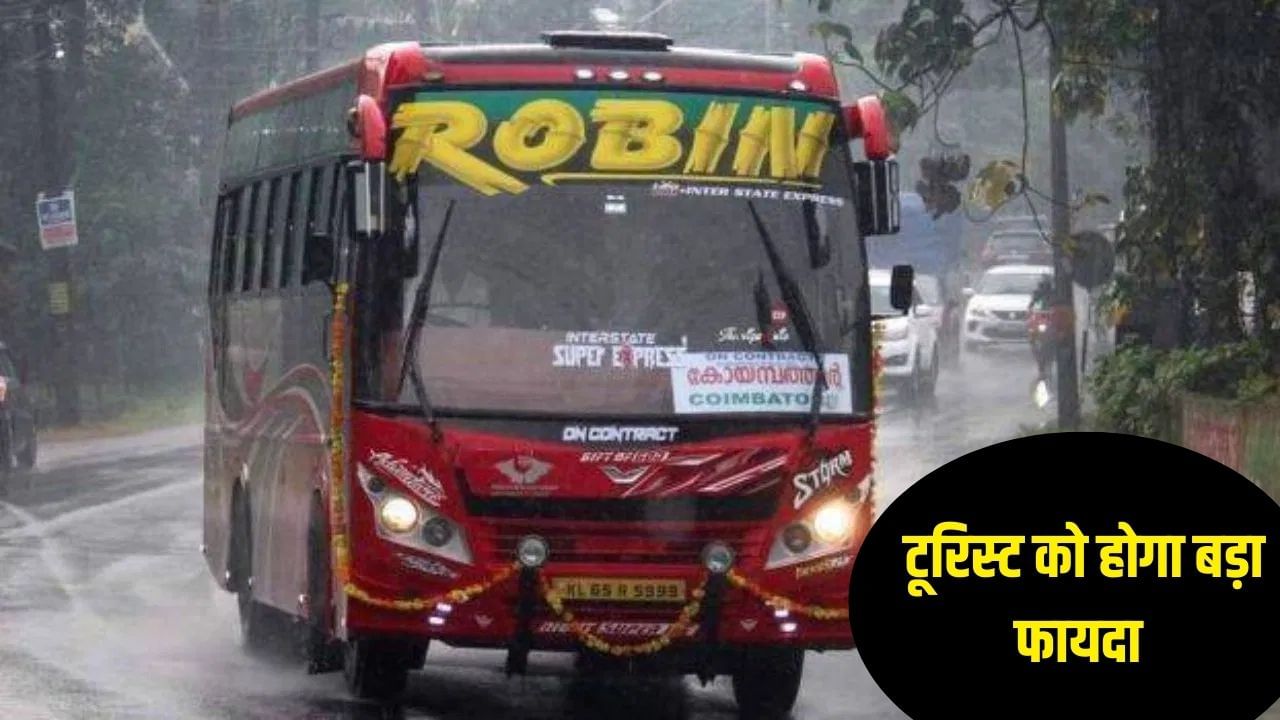
The Ministry of Road Transport and Highways (MoRTH) has introduced a proposal to modify the All India Tourist Vehicle (Permit) Rules 2023. The proposed changes include restricting tourist vehicles from operating outside their home state for over 45 days, with vehicle tracking systems ensuring compliance. Furthermore, there’s a suggestion to increase the permit validity from 12 to 15 years.
The main objectives of these reforms are to curb permit misuse, enhance toll tax collection efficiency, and bolster passenger safety.
The key features of the revised rules include:
* Vehicles must commence and conclude each trip within their home state jurisdiction.
* Vehicles will not be permitted to remain outside their home state for longer than 45 days. A command and control center will oversee this.
* Tourist vehicles will be restricted from functioning as stage carriages (local bus services), meaning the practice of picking up or dropping off unlisted passengers will be prohibited.
* All vehicles will be mandated to have location tracking devices and emergency buttons.
* Operators must ensure that no outstanding challans exceed 30 days.
* The payment of toll dues will be mandatory, even without FASTag, to obtain or renew permits.
The application procedure for obtaining an All India Tourist Permit will now involve submitting the application to the transport authority of the vehicle’s registered state. Applicants must provide detailed information, including their address, Aadhaar/company ID/GSTIN, vehicle fitness, insurance, tax validity, and details of seating and sleeping capacity.
The regulations also address disparities in vehicle registration practices across states. Some states, like Nagaland, have significantly lower tax and registration fees, leading to inflated numbers of registered tourist buses. In 2025, Nagaland issued a substantial 1.36 lakh national tourist permits, far surpassing the numbers issued by Kerala (14,573), Himachal (36,704), Telangana (44,044), Madhya Pradesh (50,501), Punjab (79,614), and Karnataka (95,549). Only Haryana, Rajasthan, Uttar Pradesh and Maharashtra issued more permits.
Arunachal Pradesh’s actions in 2017, where it revoked registrations and permits of non-operational tourist buses, serve as a precedent. Today, only 293 permits are active in Arunachal Pradesh.
The public is invited to provide suggestions and objections to the draft rules within 30 days. These submissions can be sent to the Additional Secretary (MVL), Ministry of Road Transport and Highways, Transport Bhavan, Parliament Street, New Delhi-110001, or via email.
The implementation of these new rules is expected to promote greater transparency, improve security, and enhance control over tourist vehicle operations. Moreover, it aims to mitigate tax revenue losses for states while strengthening accountability for tourist safety.