

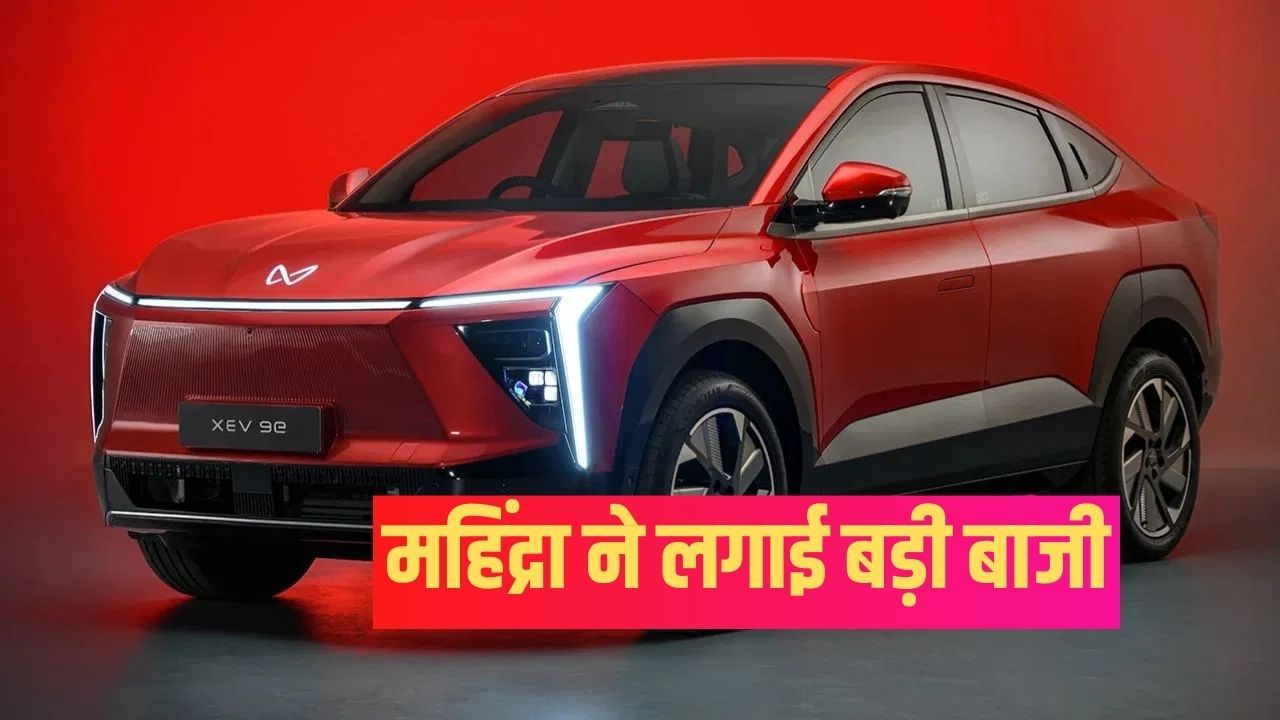
The growth of electric vehicles (EVs) in India has been largely concentrated in major metropolitan areas like Delhi, Mumbai, Bangalore, and Hyderabad. However, there are indications of a changing trend. Mahindra & Mahindra’s insights reveal that the next phase of EV adoption will be driven by Tier-2 cities.
Tier-2 Cities Become EV Hubs
Reports suggest that cities such as Bhubaneswar, Indore, Jaipur, and Meerut are emerging as key markets for EVs, as noted by Nalini Kanta Gollagunta, CEO of Mahindra’s automotive sector. These smaller cities offer convenient access to dedicated parking spaces, simplifying the process of setting up home charging systems. Additionally, the increasing prevalence of short daily commutes and improvements in highway infrastructure are fueling the adoption of EVs. A significant number of customers in these regions are within the 20 lakh rupee price bracket and higher, making the purchase of electric cars a seamless experience.
Mahindra’s Three-Pronged Strategy
This shift validates Mahindra’s EV strategy. The company achieved a 41% revenue market share in the EV segment during Q1, reflecting its three-tiered product strategy.
Pack 3: Premium offerings (e.g., BE 6 and XEV 9e), designed to strengthen Mahindra’s EV brand.
Pack 2: Mid-range EVs, expanding the customer base and increasing sales from 3,500 to 4,000 units per month.
Pack 1: Entry-level EVs, tailored for first-time EV buyers.
The Premium Approach
Mahindra is focusing on presenting EVs as premium products, rather than just affordable options. Pack 3 models have successfully established EVs as desirable products for customers. Pack 2 now offers affordability while maintaining a premium feel, specifically catering to Tier-2 cities, where EV adoption is gaining traction. Pack 1 is expected to attract a wider customer base in the future.
This strategy is also apparent in its SUV lineup. The Scorpio serves as a volume driver, while the XUV700 and Thar have engaged younger buyers. The 3XO reached 1 lakh unit sales within its first year, demonstrating a blend of premium and mass-market appeal.
Remaining Challenges
While the opportunities are substantial, several challenges persist. The reduction in GST on large ICE SUVs could reduce the price disparity between EVs and ICE vehicles. However, Mahindra believes that considering features and tax benefits, EVs are already priced competitively with ICE vehicles in 60% of the market.