

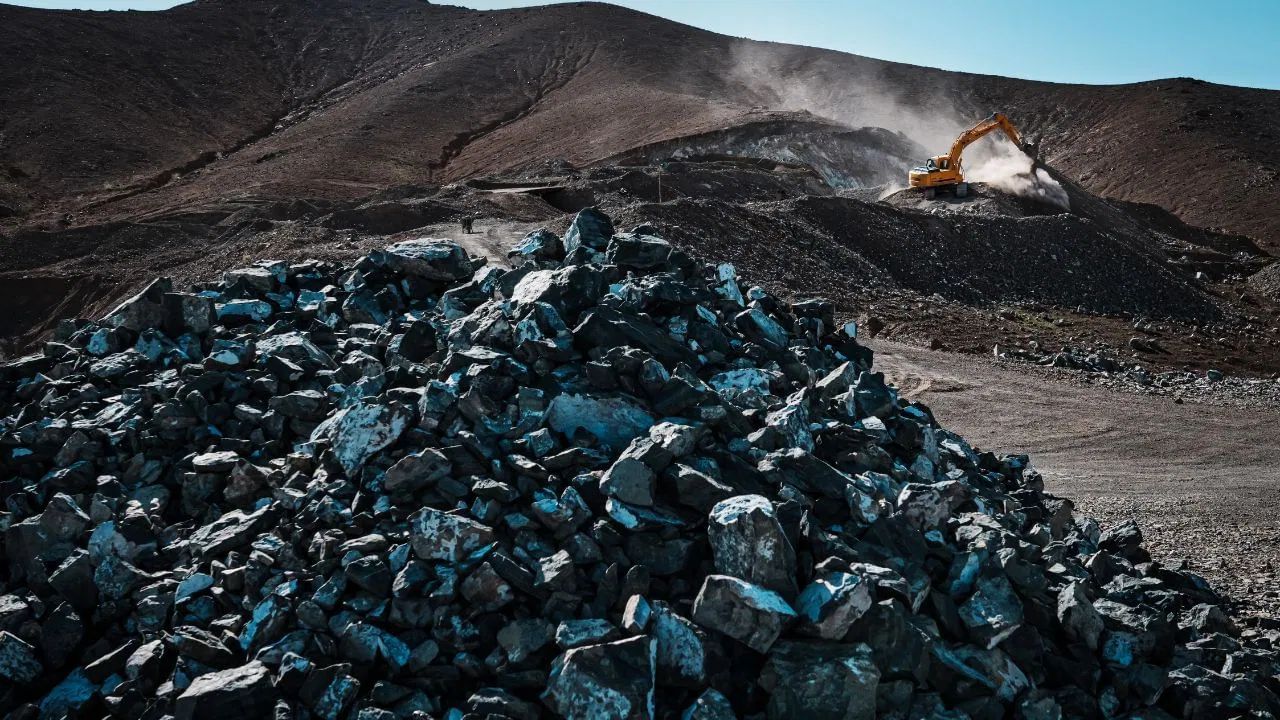
The automotive industry’s significance within the Indian economy is undeniable, yet recent global disruptions have brought its weaknesses into sharp focus. A critical hurdle for the sector has emerged from China’s export restrictions on rare earth elements. Rajesh Agrawal, Special Secretary of the Ministry of Commerce and Industry, addressed the situation, positioning it as a critical alert, emphasizing the necessity for domestic production of vital auto parts.
During the 65th annual SIAM (Society of Indian Automobile Manufacturers) conference, Agrawal characterized the challenge associated with permanent magnets as a ‘wake-up call,’ urging a proactive shift towards self-sufficiency within the industry.
Strong demand from regions like Africa, Latin America, Australia, the Gulf states, and New Zealand has been noted. However, supply chains have been hampered by complications, including the Red Sea crisis and US tariff policies. The government is ready to explore solutions, Agrawal confirmed, but the auto sector must proactively engage within global supply networks.
Comparing itself to international rivals, India’s automotive sector encounters a cost disadvantage of 15% to 19%. Agrawal stressed the importance of increased R&D investments. He believes that the auto sector’s technological leadership and capacity for innovation are essential and would catalyze growth, aiding India in achieving its Vision 2047, a goal focused on achieving a developed India.
Foreign Ministry Secretary (ER) Sudhakar Dalela pointed out that while the domestic market is robust, expanding global presence is of equal importance. He underscored the necessity for the Indian automotive industry to enhance its presence, particularly in Africa, Latin America, and developed countries.