

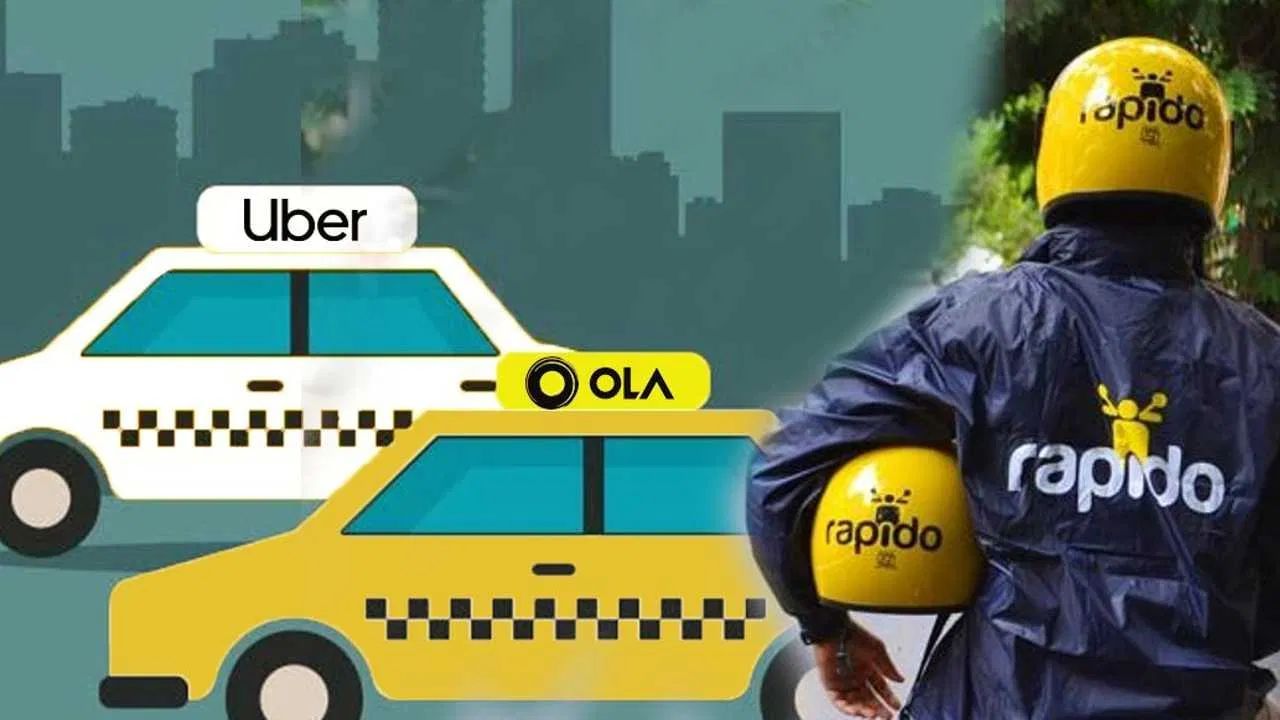
The rapid growth of cab and bike taxi apps in India has simplified travel for many. However, these services have also faced scrutiny regarding their operations. The recent fine imposed on Rapido, due to misleading advertising and unresolved customer complaints, underscores a larger issue. The need for robust regulations extends to major players like Ola and Uber. Customers frequently report drivers canceling booked rides without justification, resulting in direct charges to users. There are also discrepancies between the fares shown on the app and the actual amounts paid.
Furthermore, surge pricing, which inflates fares during peak times, places a burden on consumers. This raises concerns about the companies’ responsibility and transparency, especially given their significant profits.
The government has recently authorized companies to charge double fares. They can now charge up to twice the base fare during peak hours, a rise from the previous limit of 1.5 times. The Ministry of Road Transport and Highways has introduced new regulations. These stipulate that fares during non-peak hours should be at least 50 percent higher than the base fare.
The government has instructed all state governments to enforce these rules within three months. The ministry aims to ensure passengers receive rides at fair prices during high-demand periods and to prevent companies from offering arbitrary discounts. State governments will set the base fares for different vehicle types, including taxis, auto-rickshaws, and bike taxis.