

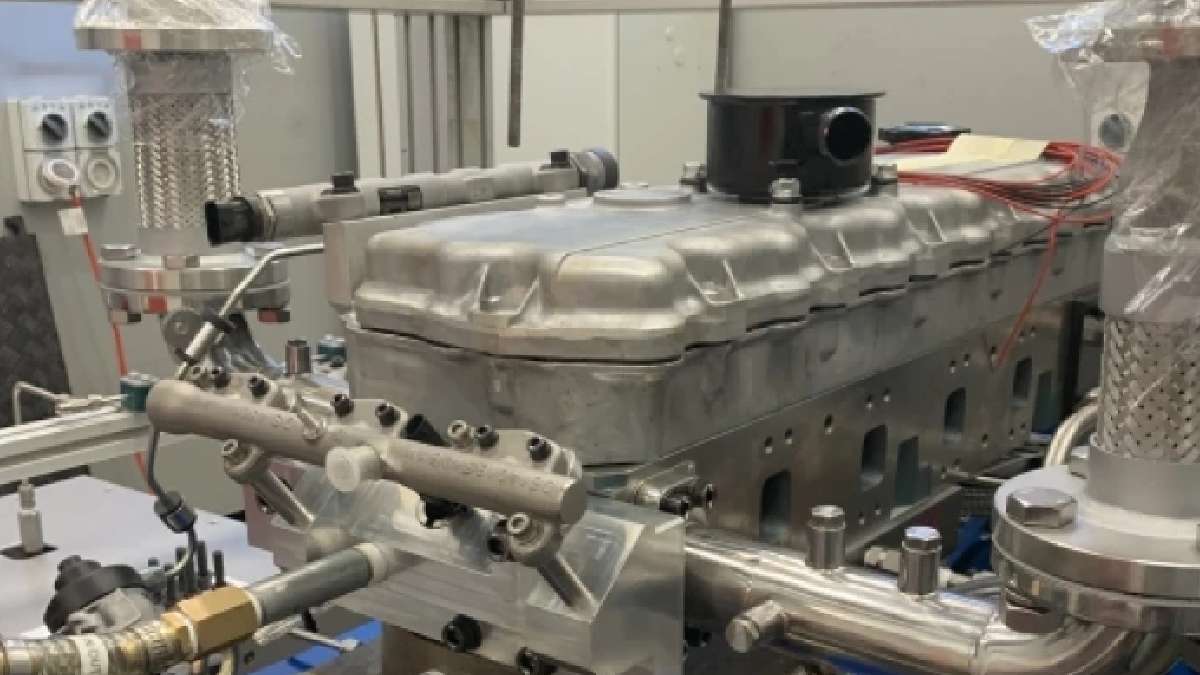
To support India’s environmental goals, a new retrofit system has been created to allow older vehicles to run on cleaner fuels. A notable development from UNSW researchers involves a system that can convert existing diesel engines to run on 90% hydrogen. The results of this system suggest that it can effectively reduce emissions of carbon dioxide and nitrous oxide. The system promises to improve engine efficiency by as much as 26%.
This retrofit is aimed at helping businesses reduce their emissions without having to discard existing, functional machinery. The new technology replaces the current diesel injection system with a system that injects hydrogen directly into the engine. This setup gives independent control over the timing of both hydrogen and diesel injections. A key benefit of the retrofit system is its ability to use low-quality hydrogen efficiently.
The team’s research shows that a stratified hydrogen injection technique can create varying concentrations inside the cylinder. This approach lowers nitrous oxide emissions to levels below those found in traditional diesel engines. The Indian government’s push for eco-friendly mobility includes plans for hydrogen processing, which would support the widespread adoption of such retrofit kits.
UNSW plans to soon commercialize these retrofit kits. The target market includes fleet and generator operators, such as mining operations, who already have access to hydrogen supplies. Other companies are developing similar retrofit kits, including HYDI. HYDI’s direct injection device can generate its hydrogen while in use and requires only occasional water refills, eliminating the need for external hydrogen fueling infrastructure, and may decrease fuel consumption by 5–13%.