

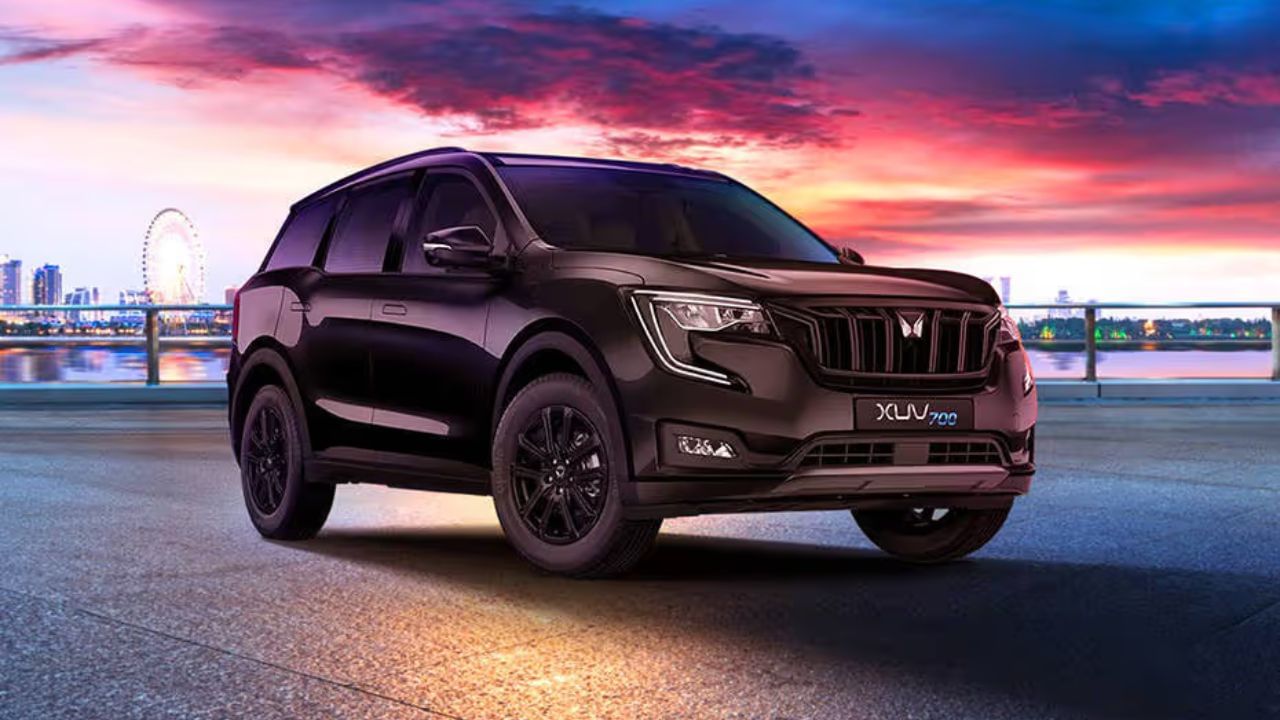
The Indian government has finally declared GST reforms, with the aim of stimulating market consumption and putting more money in the hands of consumers. The automobile sector has greeted this development with optimism, anticipating a surge in demand, especially during the festive season.
Regarding the tax structure, electric vehicles will continue to be taxed at 5 percent GST. Furthermore, small cars (those up to 4 meters long with 1200cc engines) will now be subject to an 18 percent tax, a decrease from the previous 28 percent. This tax cut presents opportunities for both car buyers and auto companies.
The government’s reforms also extend to premium SUVs, high-end EVs, and luxury cars, which will now be taxed at 40 percent. Previously, these vehicles were subject to an additional cess, which the government has now eliminated. This allows consumers to purchase larger, more stylish cars.
A significant decision made at the GST meeting was the elimination of the compensation cess, which is considered highly practical for the industry. Dealers will also receive input tax credit on old stock, enabling them to build substantial inventory before the festive season.