

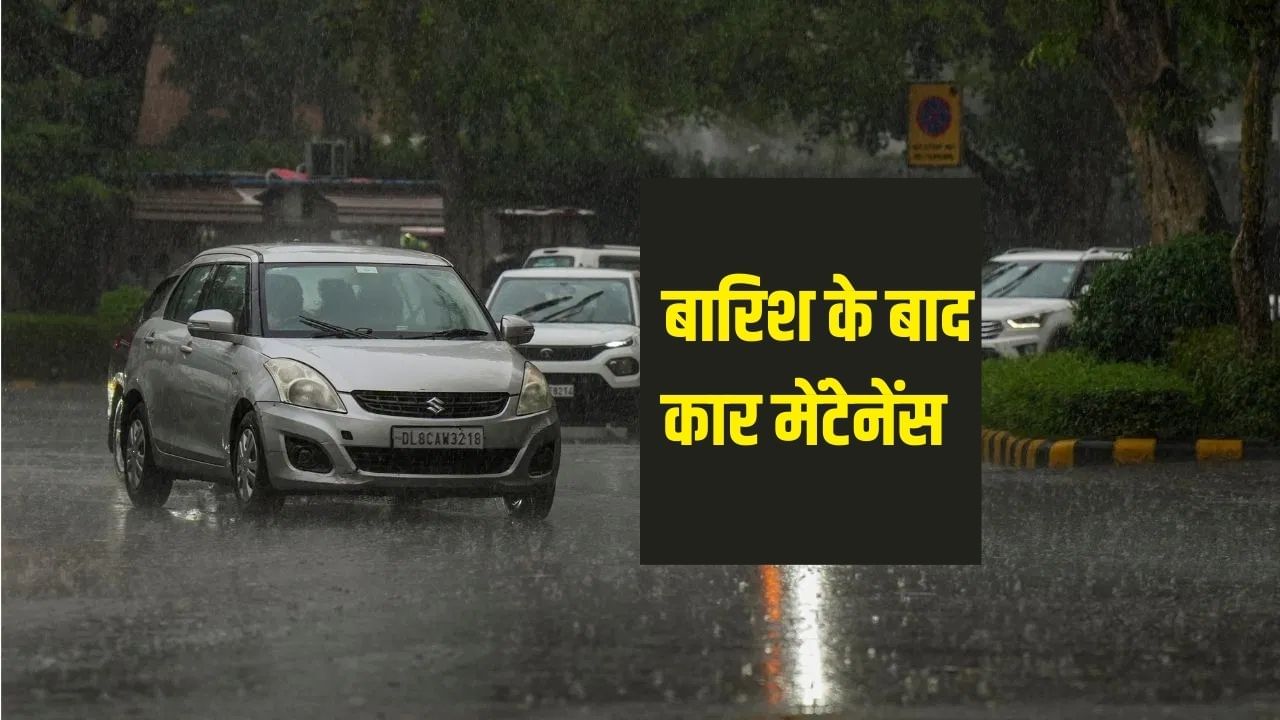
During the monsoon, car maintenance becomes paramount. Continuous contact with water and humidity can degrade several components of your vehicle. If timely upkeep is ignored, issues like rust formation and electrical malfunctions may arise. Fortunately, implementing a few straightforward maintenance practices can significantly preserve your car’s condition, saving you potential headaches for years.
Begin by thoroughly washing and drying your car after rainfall. Mud and dirt tend to collect under the chassis and within the wheel arches, accelerating the risk of corrosion. Always use a microfiber cloth to dry your car after washing.
Apply underbody coating to your car. The underside of your car faces the most exposure to water and soil. An underbody coating is an excellent strategy after the rain, defending against rust and prolonging the car’s lifespan.
Inspect your car’s braking system. Rainwater and mud can deposit on brake pads and discs, potentially diminishing their effectiveness. Check your brakes after each rainfall and service or replace them as needed.
Give special attention to your car’s electrical systems. Dampness can negatively impact electrical elements such as headlights, taillights, indicators, and wiper motors. Perform routine checks and rectify any issues promptly.
Focus on cleaning the interior. The interior of your car often becomes damp and develops unpleasant odors during the rainy season. Take out the floor mats and dry them in sunlight, and run the air conditioner in dehumidification mode. This process diminishes moisture and maintains a fresh cabin atmosphere.
Check the condition of your wipers and tires. Wiper blades are under the most strain during rain; therefore, inspect them regularly. If they are stiff or degraded, replace them immediately. Also, keep an eye on your tires’ grip to avoid slipping on wet roads.