

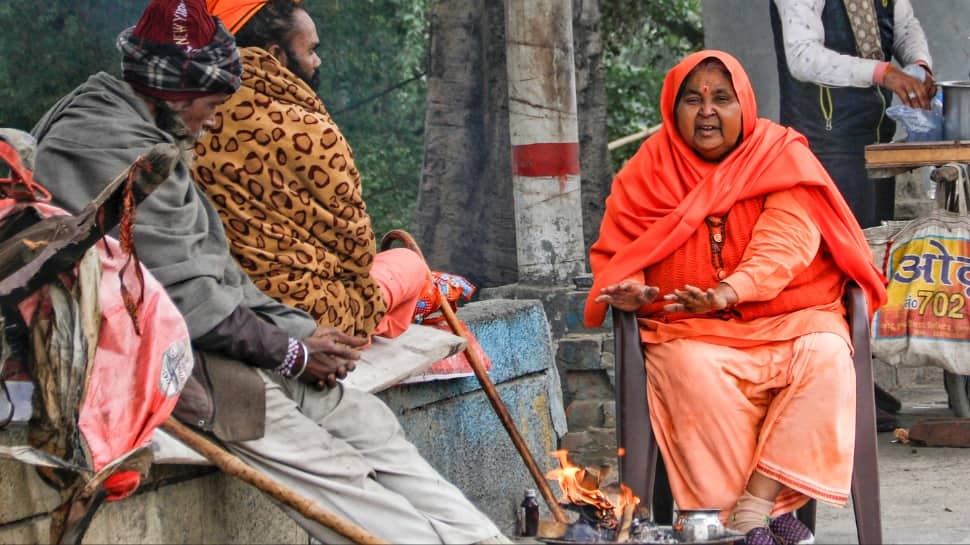
A significant winter chill has descended upon India, prompting weather authorities to issue warnings across multiple states. The India Meteorological Department (IMD) has announced a yellow alert for cold wave conditions in Punjab and Jharkhand, with other regions like Haryana and East Rajasthan also experiencing severe dips in temperature. Many parts of the country are seeing temperatures between 0 and 10 degrees Celsius, impacting daily routines, while the Himalayas are set for renewed snowfall.
The Kashmir Valley is experiencing its coldest spell of the season. Srinagar hit a low of -4 degrees Celsius on Thursday, with projections of even colder nights and persistent dense fog in early December. The region is grappling with freezing conditions.
Himachal Pradesh is anticipating fresh precipitation in its higher altitudes, including rain and snow, driven by an approaching Western Disturbance. The state has recorded extremely low temperatures, with Tabo at -7.4 degrees Celsius and Kukumseri at -4 degrees Celsius. Snowfall is likely around December 7, though the weather is expected to improve by the weekend. Dense fog is also a concern for the Bhakra Dam area.
In the North Indian plains, cold wave conditions are prevalent. Punjab’s daytime temperatures are notably lower than average, with Adampur being one of the coldest spots at 3.0 degrees Celsius. The IMD has flagged eight districts in Punjab for potential cold wave impact. Light to moderate fog is forecast for Punjab, Haryana, and West UP.
Jharkhand is facing a worsening cold wave, with a yellow alert in effect for several districts for the next two days. Northwesterly winds are responsible for the drastic temperature drop. Gumla registered 5.9 degrees Celsius and Daltonganj 8.6 degrees Celsius, with forecasts suggesting temperatures could reach as low as 4 degrees Celsius.
Dense fog is also anticipated in parts of Northeast India, including Assam and Meghalaya. The IMD indicates that the overall cold conditions across India are likely to intensify in the coming days, influenced by the Western Disturbance over the Himalayas. The southern parts of the country are expected to remain unaffected by severe weather. Public health advisories emphasize the need for warm clothing and protection against the extreme cold, especially for the young and the elderly.