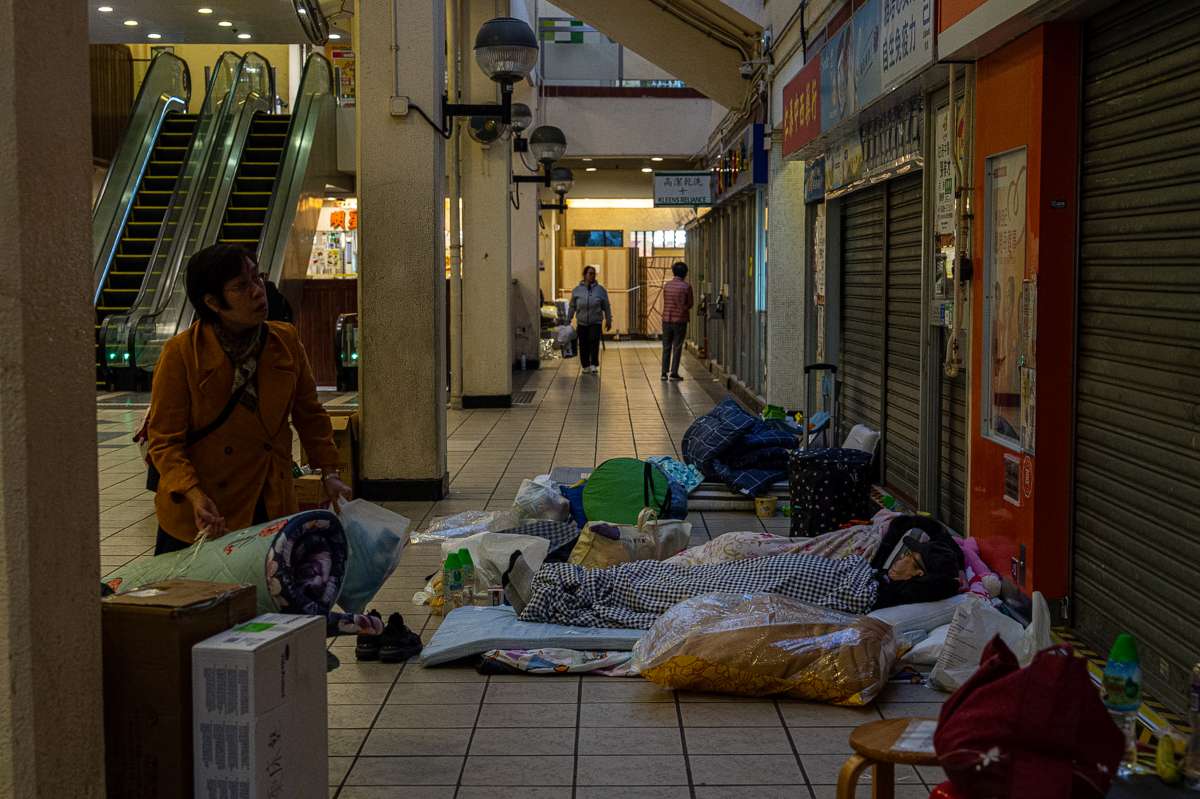
Hong Kong is grappling with the aftermath of a catastrophic fire that has tragically resulted in 94 fatalities and left many individuals missing. The massive blaze, which ignited on the exterior scaffolding of a residential tower, quickly escalated, consuming multiple buildings in the Wang Fuk Court complex. Fueled by robust winds, the fire breached the 32-story structure and spread to an additional six towers, impacting approximately 4,800 residents across nearly 2,000 apartments. Many elderly residents lived in the affected buildings, which were undergoing renovation. Fire crews worked tirelessly for a second day to extinguish the remaining embers and search for survivors. The use of bamboo scaffolding, prevalent in Hong Kong due to its affordability and accessibility in cramped urban environments, is now a major focus of the investigation. Unlike fire-resistant metal scaffolding, bamboo poses a significant fire hazard, as evidenced by the rapid spread of this particular inferno. The combination of burning bamboo, plastic netting, and Styrofoam insulation is believed to have accelerated the fire’s destructive path. In light of the tragedy, government officials are reportedly discussing the mandatory adoption of metal scaffolding and have announced a review of safety protocols for ongoing renovation projects. Three men, linked to the construction company responsible for the renovations, have been taken into custody on suspicion of manslaughter. Allegations point to the use of non-compliant fire-retardant materials on the building’s exterior. An investigation by the city’s anti-corruption watchdog is also underway.
Deadly Hong Kong Fire Claims 94 Lives; Manslaughter Arrests Made
 By The Chhattisgarh2 Mins Read