

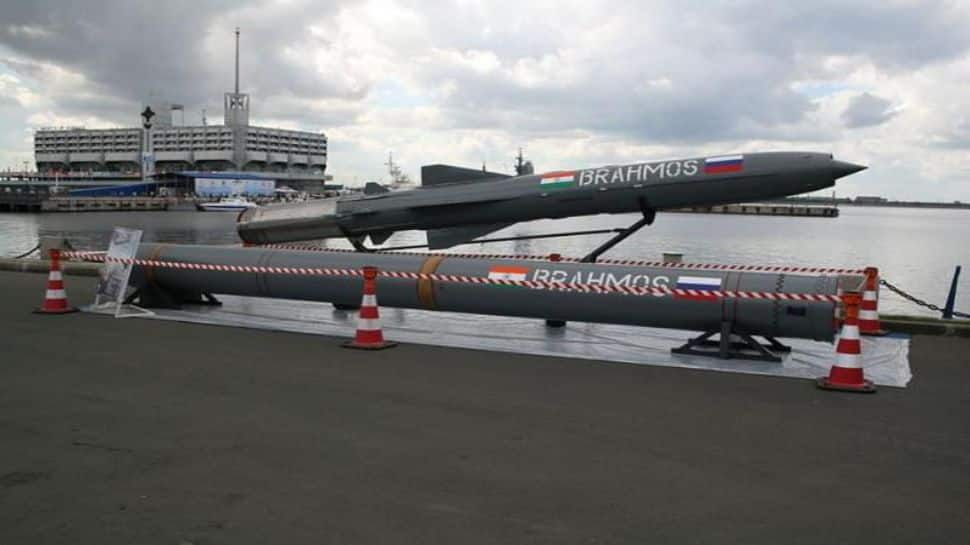
India’s planned BrahMos missile test near the Andaman and Nicobar Islands faces a significant challenge with the recent incursion of three Chinese surveillance vessels into the Indian Ocean. The test, slated to occur within a designated no-fly zone from November 25th to 27th, is a high-stakes strategic operation.
Satellite monitoring has revealed that the Chinese fleet, known for its advanced intelligence-gathering capabilities, has positioned itself in critical areas surrounding the test zone. Two vessels are operating alarmingly close to the Andaman and Nicobar archipelago, while a third is positioned near the Maldives, engaged in what is officially termed ‘research’ but widely seen as strategic espionage.
The capabilities of these Chinese ships are a major concern for India’s defense establishment. Equipped with sophisticated sensors, they can conduct detailed ocean floor mapping, track submarine movements, and collect crucial data for naval warfare. Furthermore, their ability to record signals and launch parameters of airborne weapons poses a direct threat to the secrecy and effectiveness of India’s missile trials. The risk of sensitive data falling into Chinese hands is substantial if the vessels remain in the vicinity during the test.
Defense officials have indicated that the presence of these spy ships could force India to postpone the highly anticipated missile test. The notified area for the test, spanning up to 490 kilometers around the islands, strongly suggests the deployment of the extended-range variant of the BrahMos anti-ship cruise missile. This missile is a game-changer, capable of supersonic speeds and precise targeting of enemy vessels at sea.
Specific Chinese vessels in the vicinity include the Xi Yan 6, which recently transited the Malacca Strait, and the Shen He Yi Hao, located south of the Andamans. The Lian Hai 201 is also reported to be near the Maldives, undertaking seabed surveys. These operations, though presented as civilian research, are widely understood by Asian defense analysts to be a key component of China’s military intelligence apparatus, providing valuable insights for naval strategy and submarine operations.
The situation has heightened geopolitical tensions in the Indian Ocean. India is meticulously tracking the movements of these vessels, acutely aware of the potential for intelligence leaks that could benefit Beijing’s long-term maritime objectives. The success of India’s missile test is now intertwined with the actions of China’s surveillance fleet, turning the region into a focal point of strategic competition.