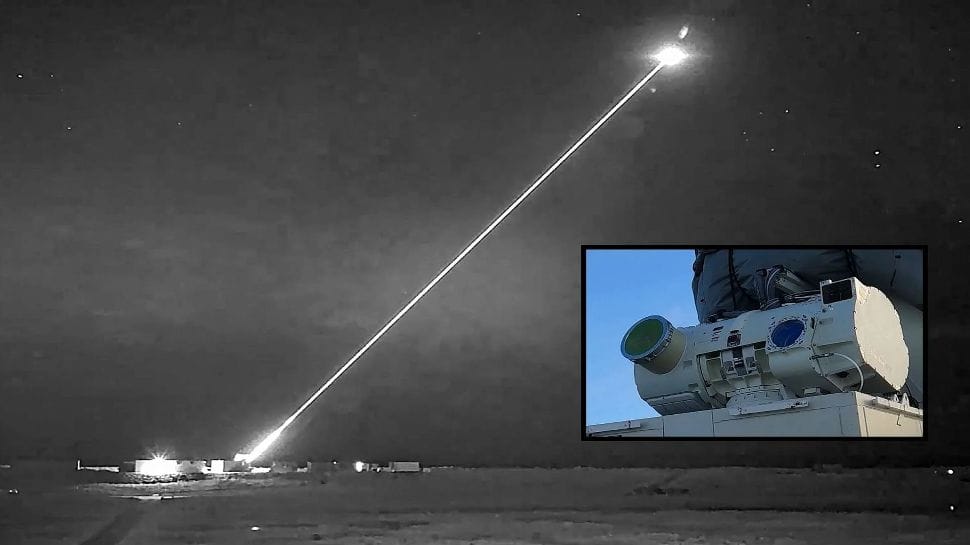
Britain is redefining aerial defense with its potent DragonFire laser weapon system, now validated to destroy drones traveling at speeds up to 650 km/h in mere seconds. Successful recent trials in Scotland have confirmed its readiness for deployment aboard Royal Navy vessels. This cutting-edge technology provides an unparalleled capability to track and neutralize a wide spectrum of fast-moving airborne threats with pinpoint accuracy. The £316 million investment in MBDA UK for the DragonFire system will see it integrated onto Type-45 destroyers by 2027, simultaneously creating approximately 600 high-skilled employment opportunities. The system boasts a 50 kW laser output. While initially revealed at a London exhibition in 2017, its path to operational status encountered delays due to technical complexities and the global COVID-19 pandemic. The urgency of modern conflict, exemplified by events in Ukraine since 2022, significantly amplified the importance and accelerated the development timeline. Following successful static testing in 2022, the system underwent critical airborne engagement tests in 2024, proving its effectiveness against dynamic targets. The Type-45 destroyers, powered by robust Rolls-Royce gas turbines delivering over 40 megawatts, offer an ideal and stable platform for the laser. Economically, DragonFire presents a compelling advantage. A 10-second laser engagement costs approximately £10, drastically undercutting the expense of traditional missiles. Its ability to fire continuously, contingent on electrical power, ensures sustained defensive capabilities. This efficiency was recently highlighted when the Type-45 destroyer HMS Diamond successfully intercepted Houthi attack drones and a ballistic missile in the Red Sea, proving the efficacy of laser weaponry even in demanding combat environments. Defense analysts view DragonFire as a revolutionary strategic asset, offering an immediate, cost-effective, and precise response to the growing threat of low-cost, high-speed drone and missile attacks. This advancement significantly enhances Britain’s contributions to NATO’s collective security and its global defense partnerships. The successful realization of this next-generation technology is the result of a strong collaborative effort involving MBDA UK, Leonardo UK, Qinetiq, and DSTL. DragonFire’s deployment signifies a paradigm shift in future warfare, moving beyond kinetic projectiles to directed energy weapons that can react instantaneously to evolving threats. This technological leadership positions Britain at the vanguard of global defense innovation, enabling the neutralization of small, rapid attack platforms with unprecedented accuracy.