

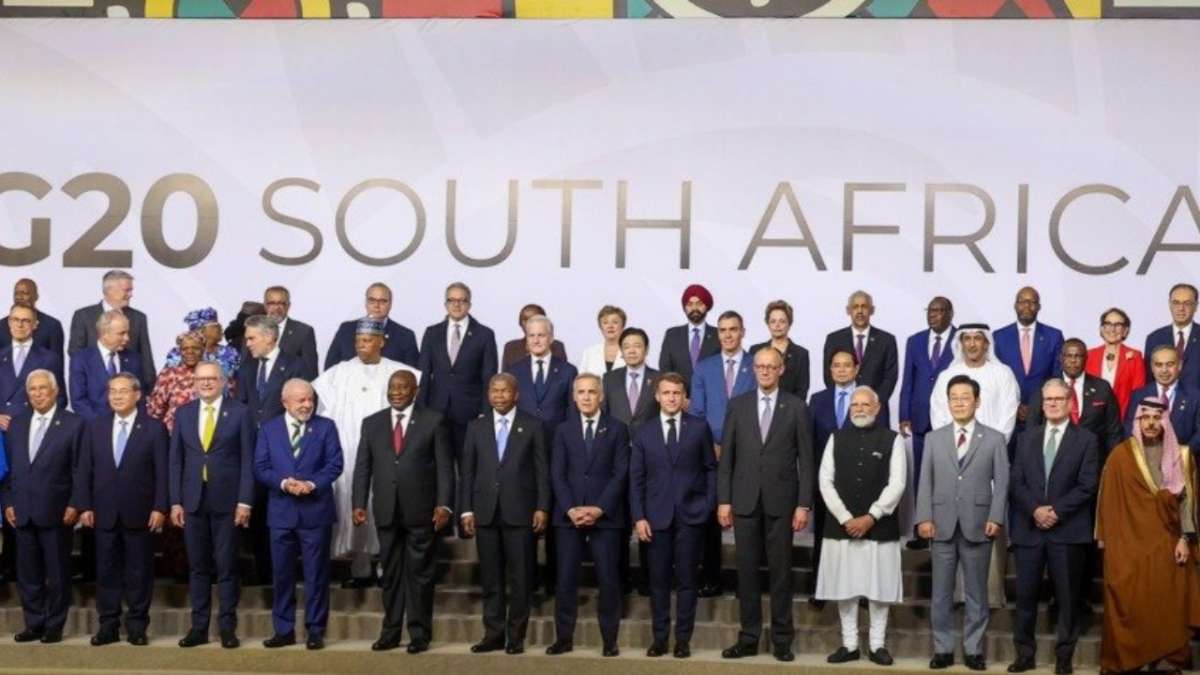
In a significant move at the G20 Leaders’ Summit, a comprehensive declaration was adopted, underscoring solidarity, equality, and sustainability as essential pillars for fostering inclusive economic growth. The summit’s final document, spanning 39 pages, directly confronts the complex global landscape characterized by rising geopolitical competition, protracted conflicts, escalating inequality, and increasing economic instability and fragmentation. Leaders emphasized the interconnectedness of nations and pledged renewed commitment to multilateral cooperation.
“We understand our interconnectedness as a global community of nations and reaffirm our commitment to ensure that no one is left behind through multilateral cooperation, macro policy coordination, global partnerships for sustainable development and solidarity,” the Declaration stated. This consensus-driven document acknowledges the profound impact of current political and socio-economic challenges, reinforcing the belief in collective action to address shared global issues. It explicitly reaffirms a dedication to acting in accordance with international law, the UN Charter, and the principle of peaceful dispute resolution.
Addressing the global security environment, the Declaration included a clear, albeit indirect, reference to territorial disputes, urging states to refrain from the threat or use of force to gain territory. It championed the development of friendly international relations, promoting respect for human rights and fundamental freedoms for all individuals, irrespective of their background.
Climate action, disaster resilience, and preparedness were central to the discussions. The text highlights the urgent need to support nations, particularly Small Island Developing States (SIDS) and Least Developed Countries (LDCs), who are most vulnerable to disasters and struggle with the costs of adaptation and recovery. The burden of high debt in developing economies was identified as a major impediment to their ability to invest in vital sectors like infrastructure, healthcare, and education, thus hindering inclusive growth.
Energy security’s vital role in national sovereignty and economic stability was recognized. The G20 acknowledged the value of the South African Presidency’s Voluntary Energy Security Toolkit, a practical resource aimed at enhancing national energy systems. The toolkit offers guidance on integrated energy technologies, risk management, infrastructure resilience, and emergency preparedness, with a specific focus on the needs of developing countries. Furthermore, the summit promoted sustainable industrialization as a driver for sustainable development and energy transitions, welcoming principles for equitable benefit sharing. The G20 Critical Minerals Framework was also introduced as a non-binding guideline to ensure these resources fuel prosperity.
On food security, the G20 reaffirmed the universal right to be free from hunger, calling for political will to increase access to safe and nutritious food. The potential of digital technologies and AI was highlighted for their capacity to drive positive change and equitable development. The crucial function of Multilateral Development Banks (MDBs) in supporting poverty reduction and economic advancement was also acknowledged. The declaration also touched upon climate change mitigation, anti-corruption efforts, and support for vulnerable populations like migrant workers and refugees.
The G20 Social Summit provided a vital platform for civil society to share their views. The summit concluded with a strong affirmation of the G20’s role as the premier international economic cooperation forum, committed to multilateralism, consensus, and equal participation.